
Two Uses of the Past: A Two-Person Exhibition Featuring Changboh Chee and Seongmin Ahn
- Exhibition Dates: July 26 (Sat)–August 23 (Sat), 2025
- Venue: AHL Foundation Gallery (2605 Frederick Douglass Blvd, #C1, New York, NY 10030)
- Gallery Hours: Wednesday–Saturday, 12:00 PM–6:00 PM
- Opening Reception: Saturday, July 26, 4:00 PM–6:00 PM
- Public minhwa painting workshop led by Seongmin Ahn: Saturday, August 2, 2:00 PM – 4:00 PM
📖 View the digital version of the exhibition catalog
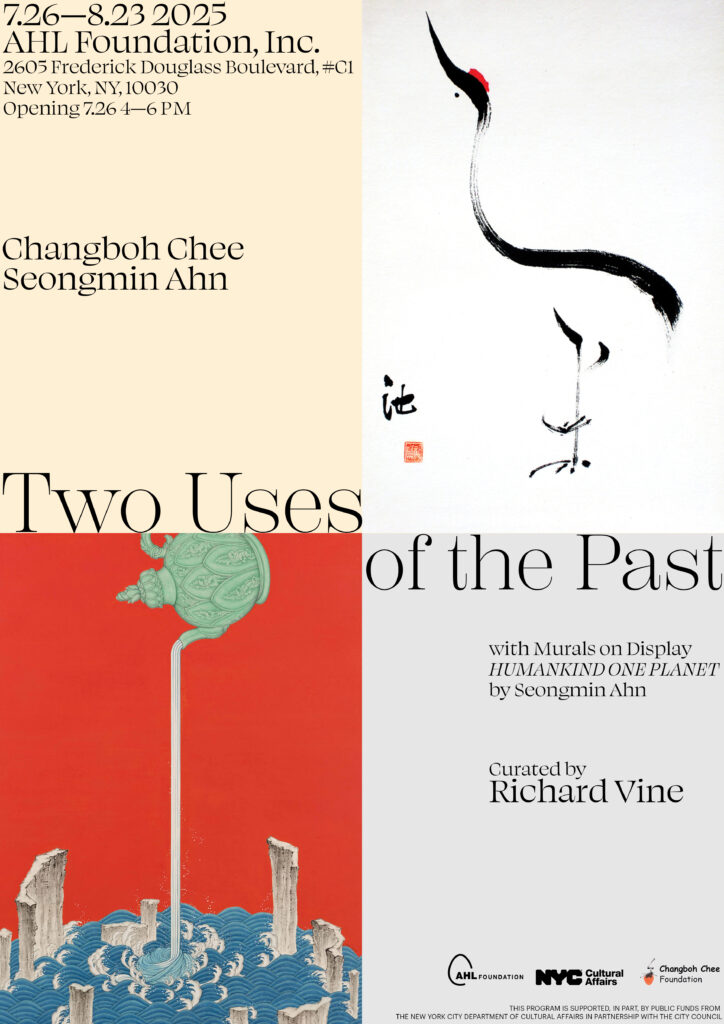
© 2025 “Two Uses of the Past” poster
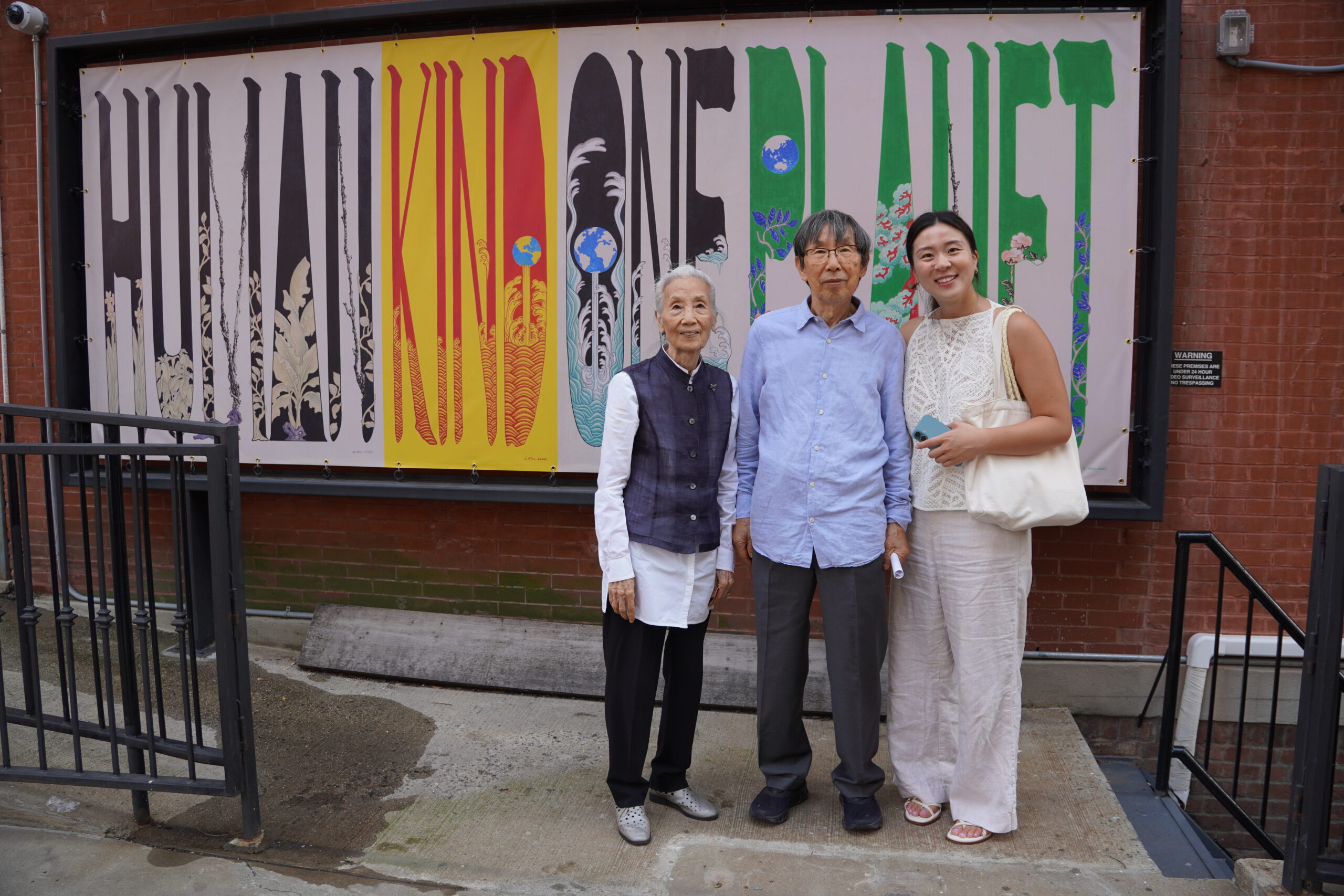
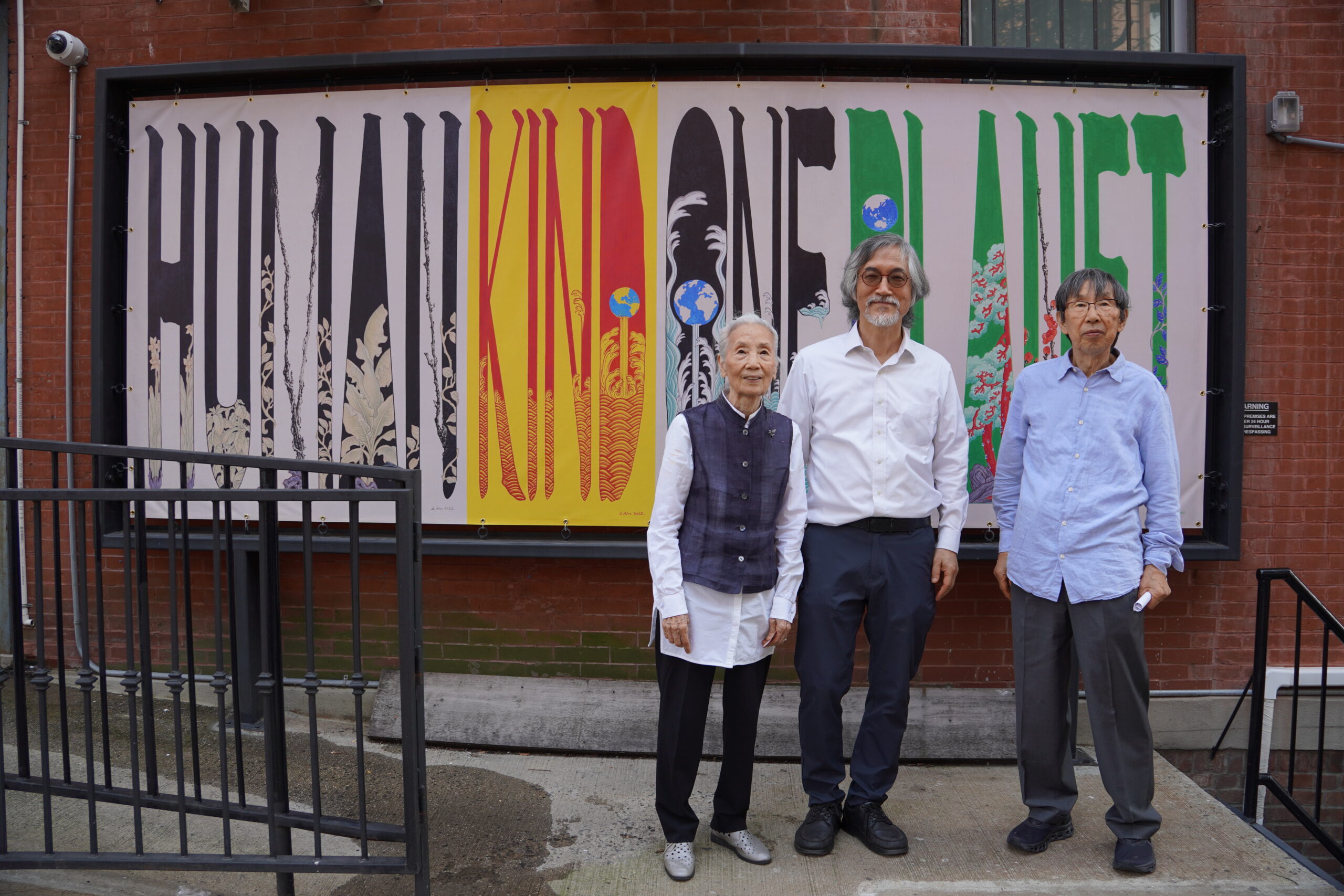
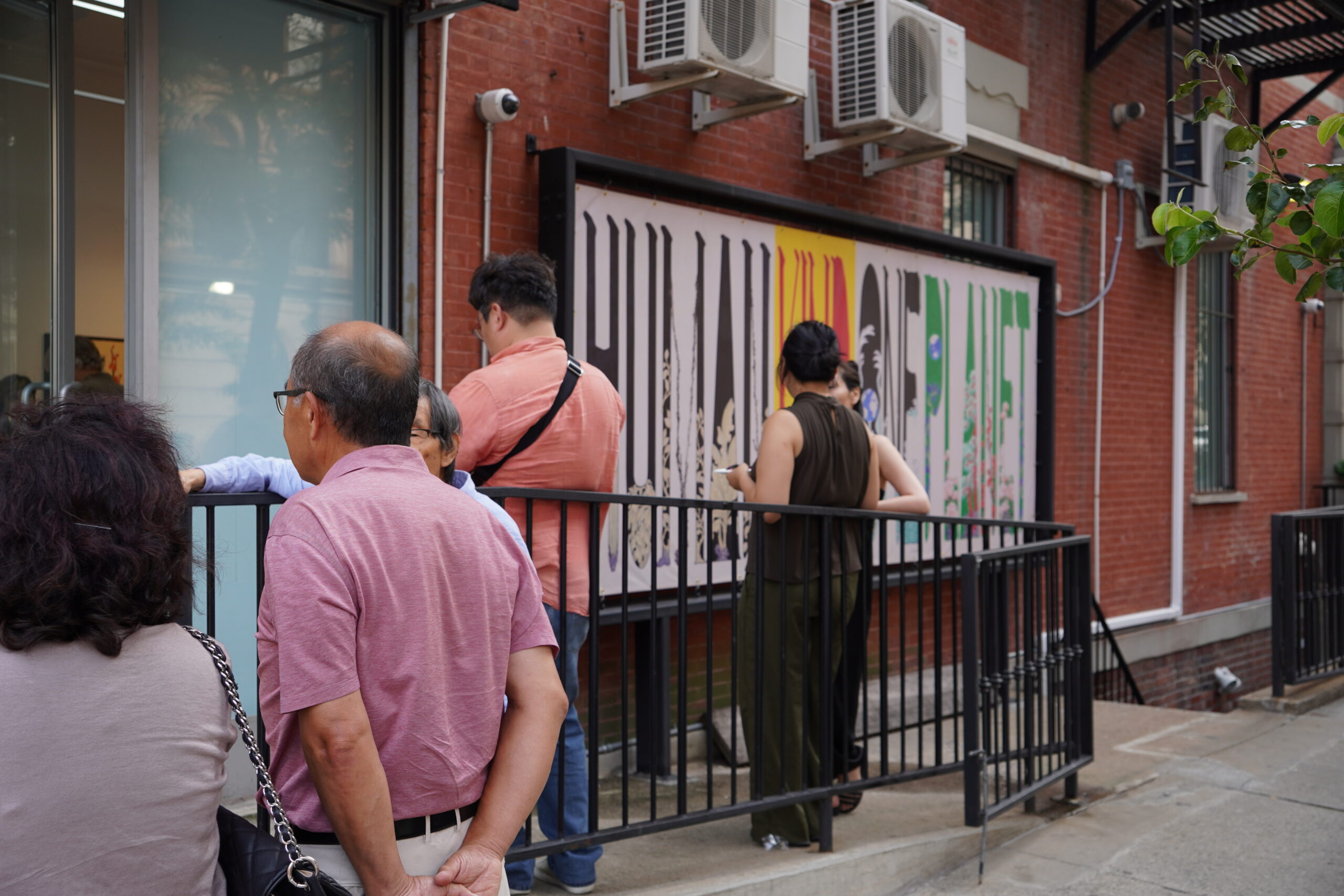
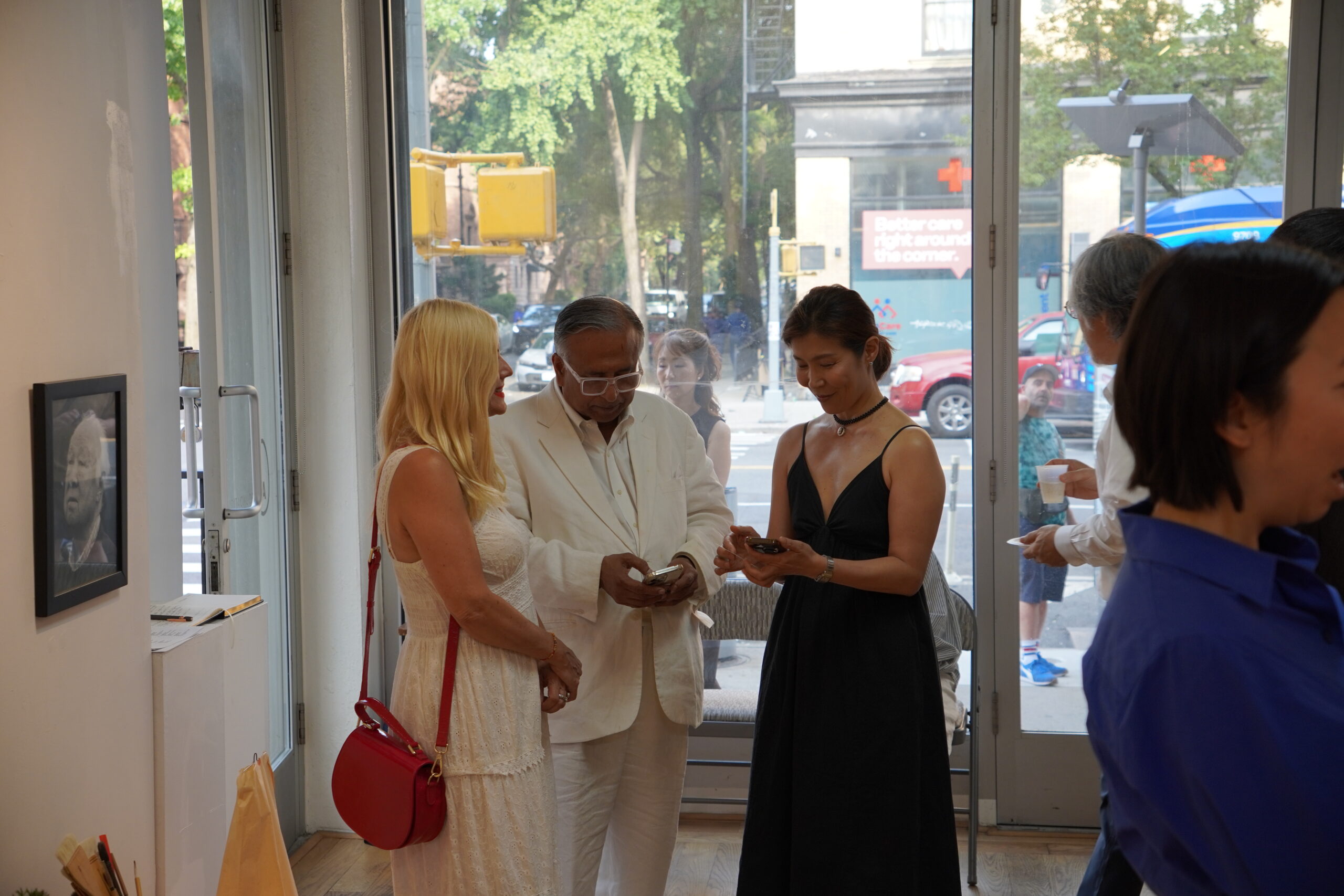
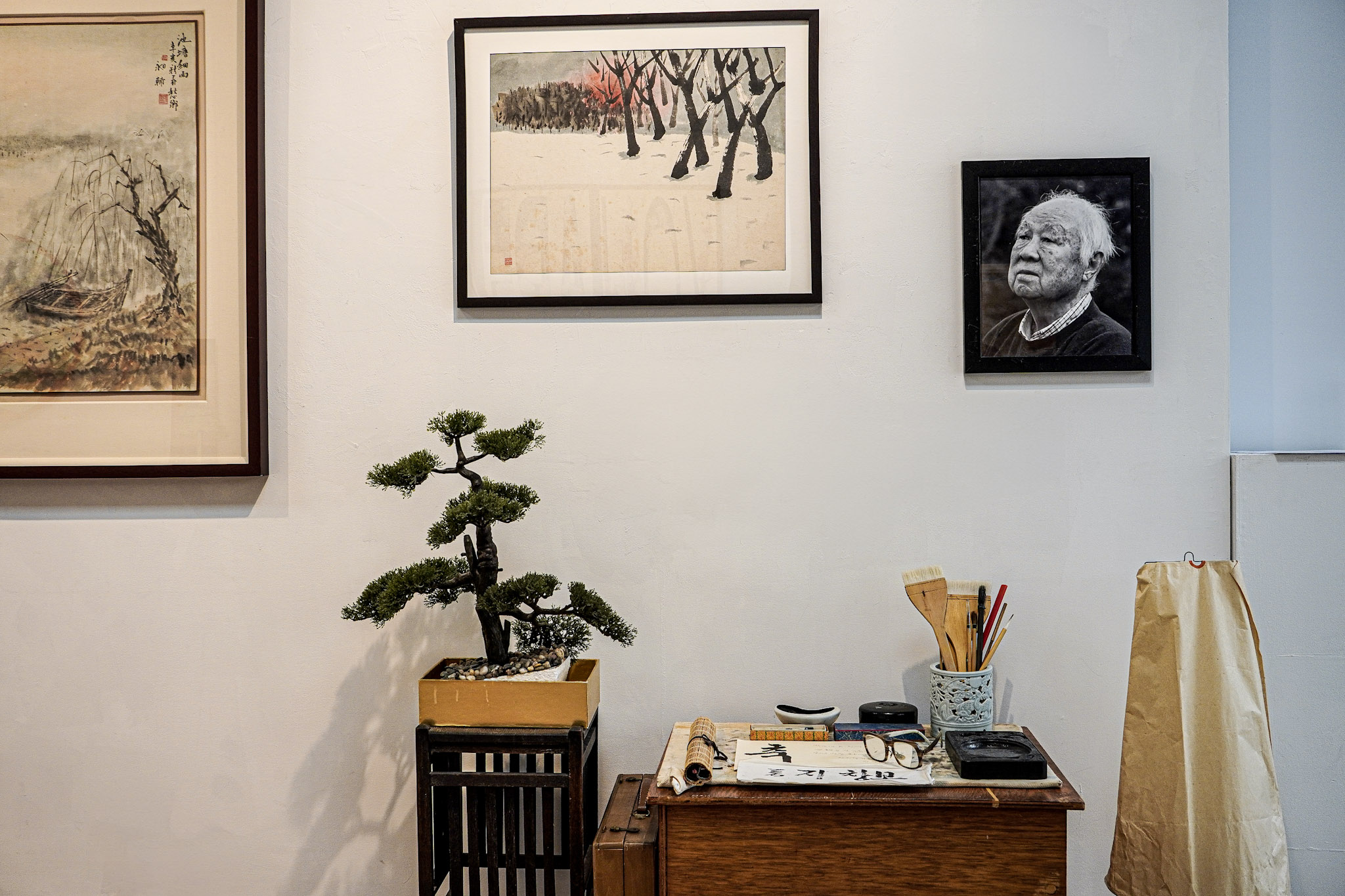
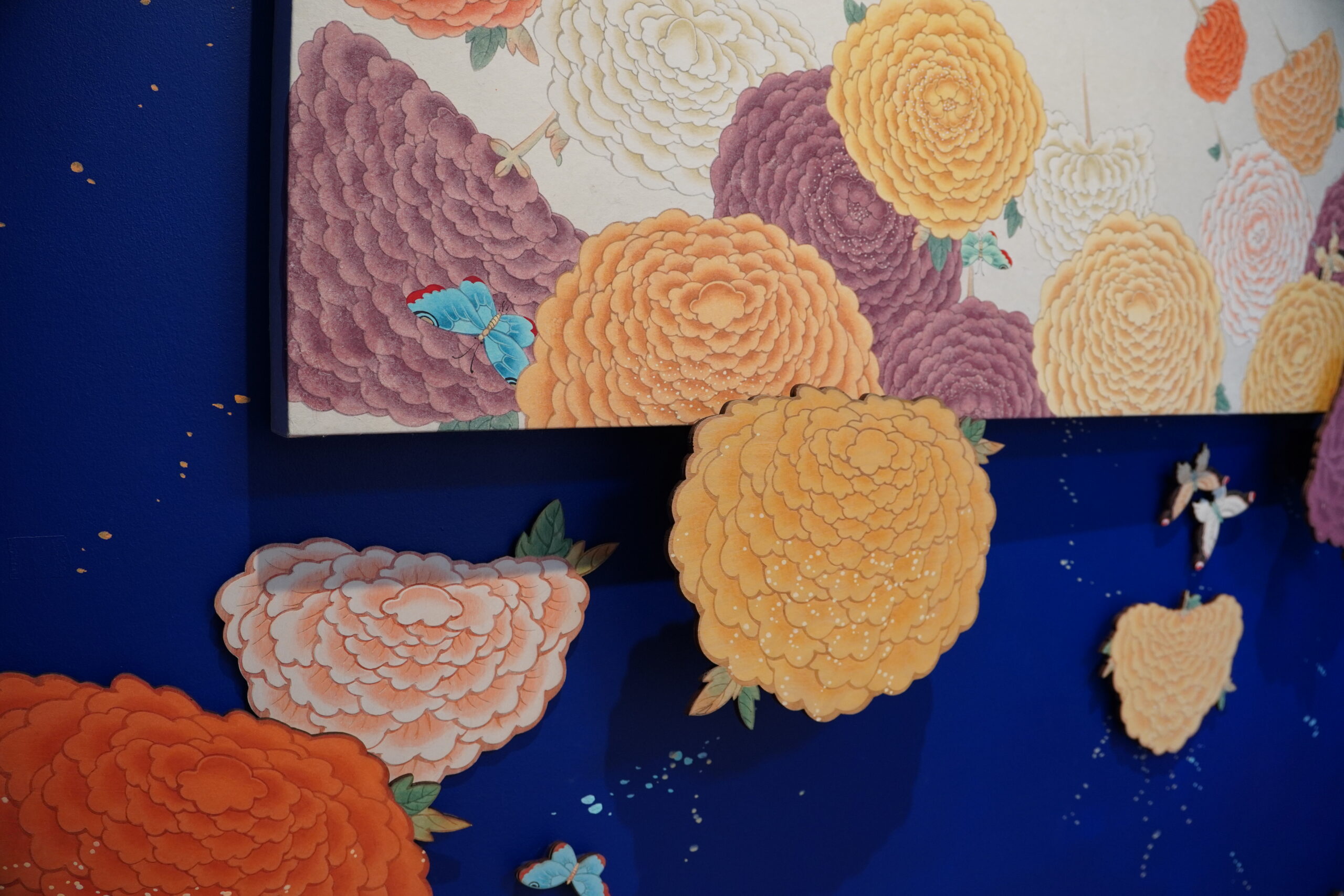
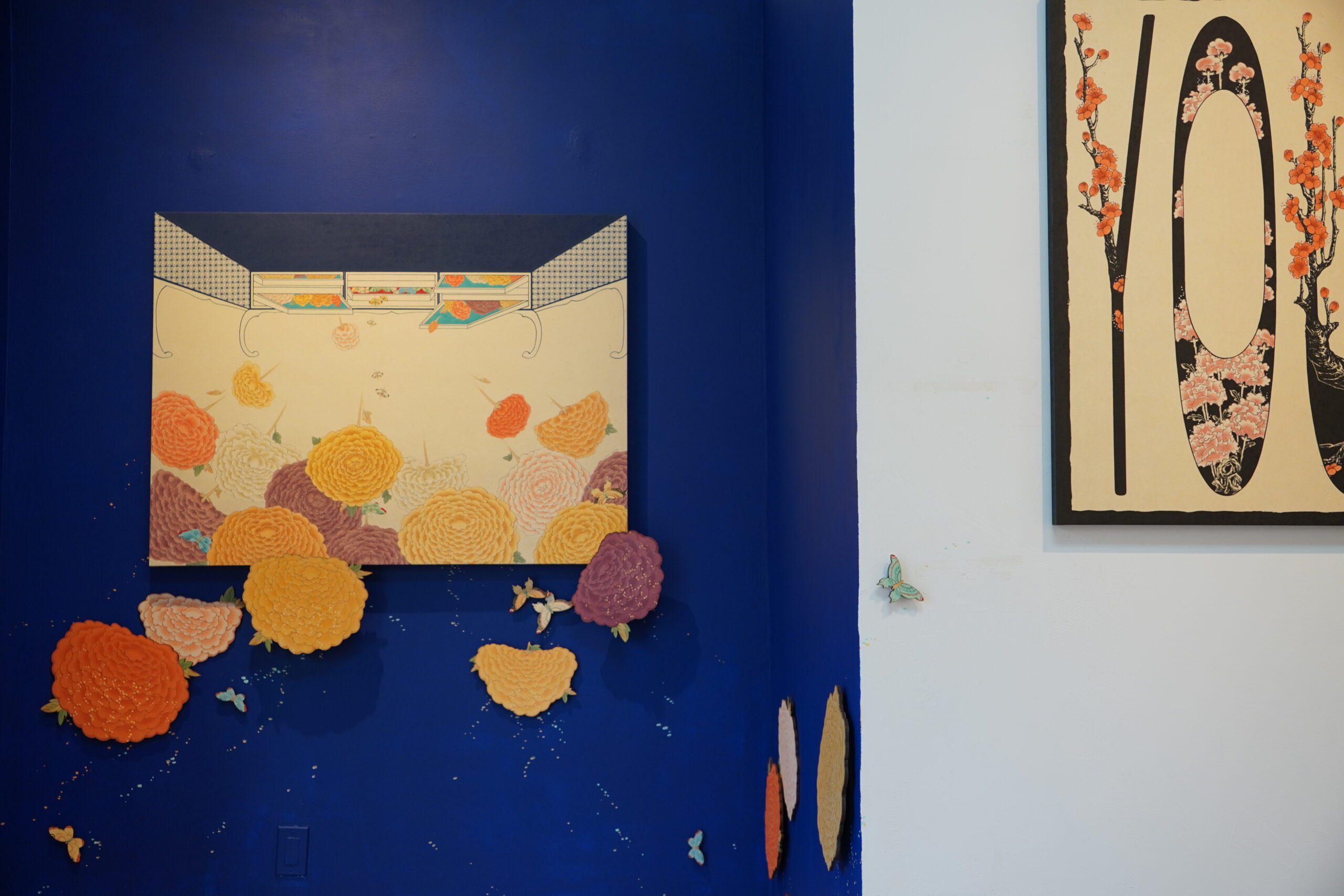
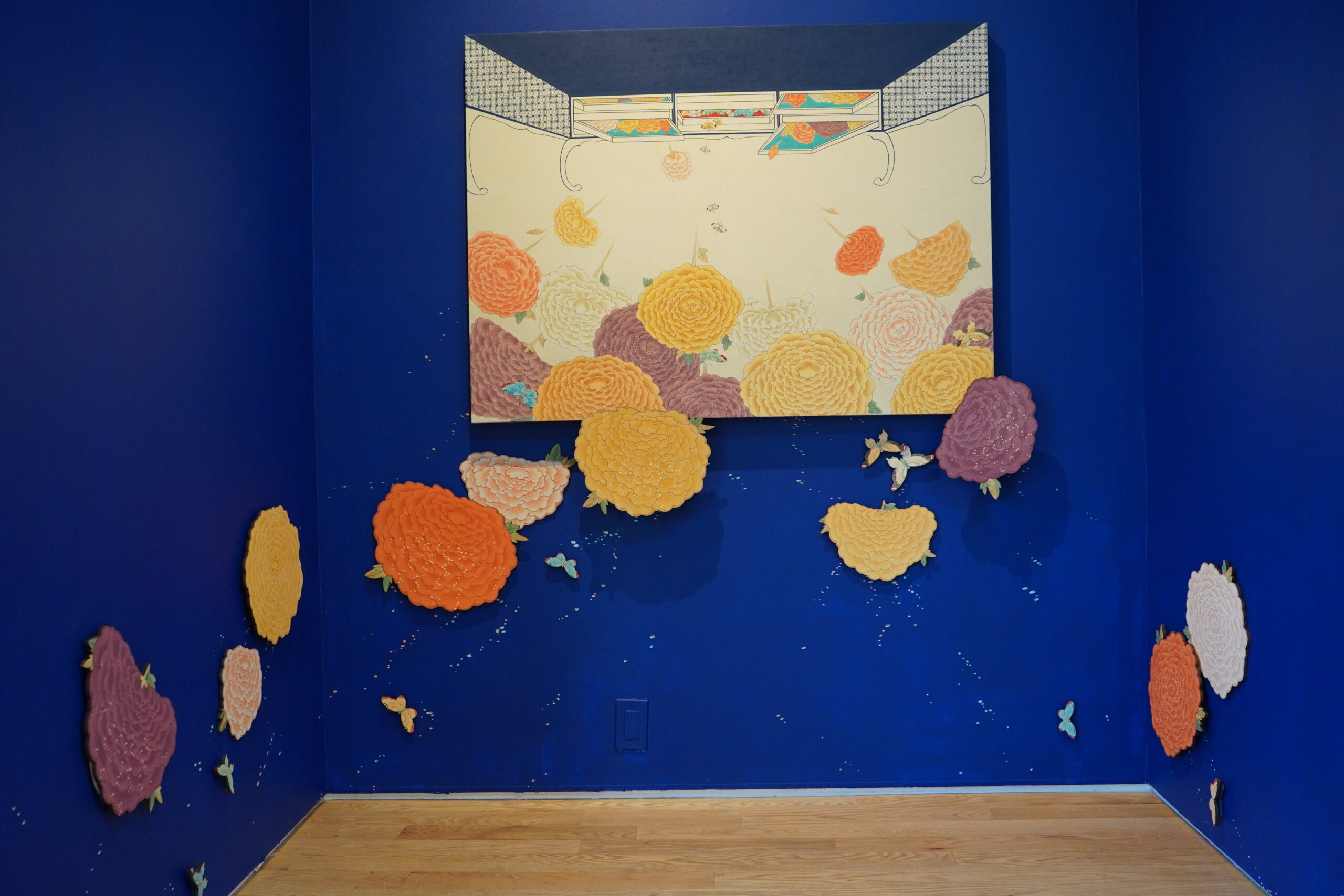
Opening Reception and Exhibition View
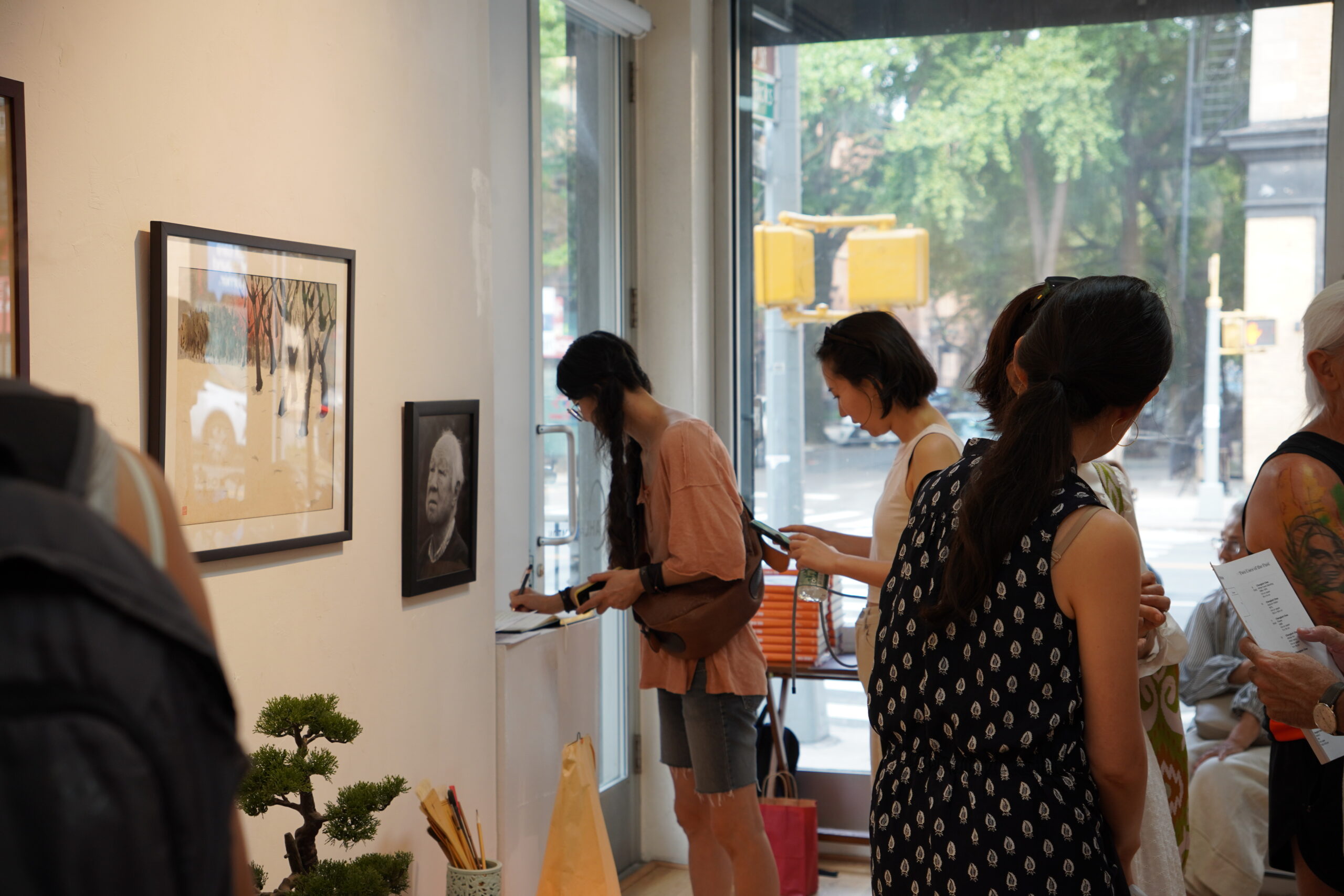
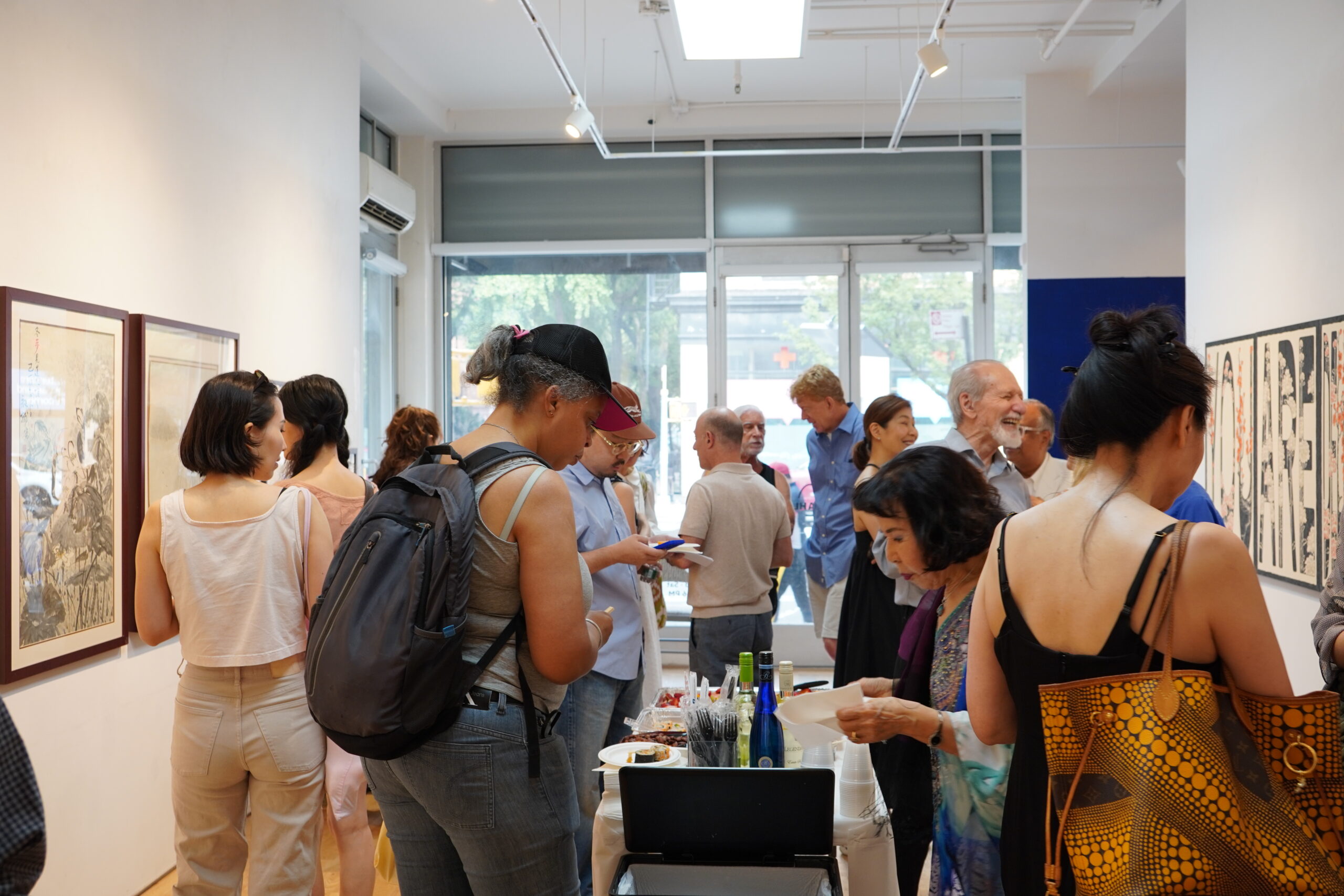
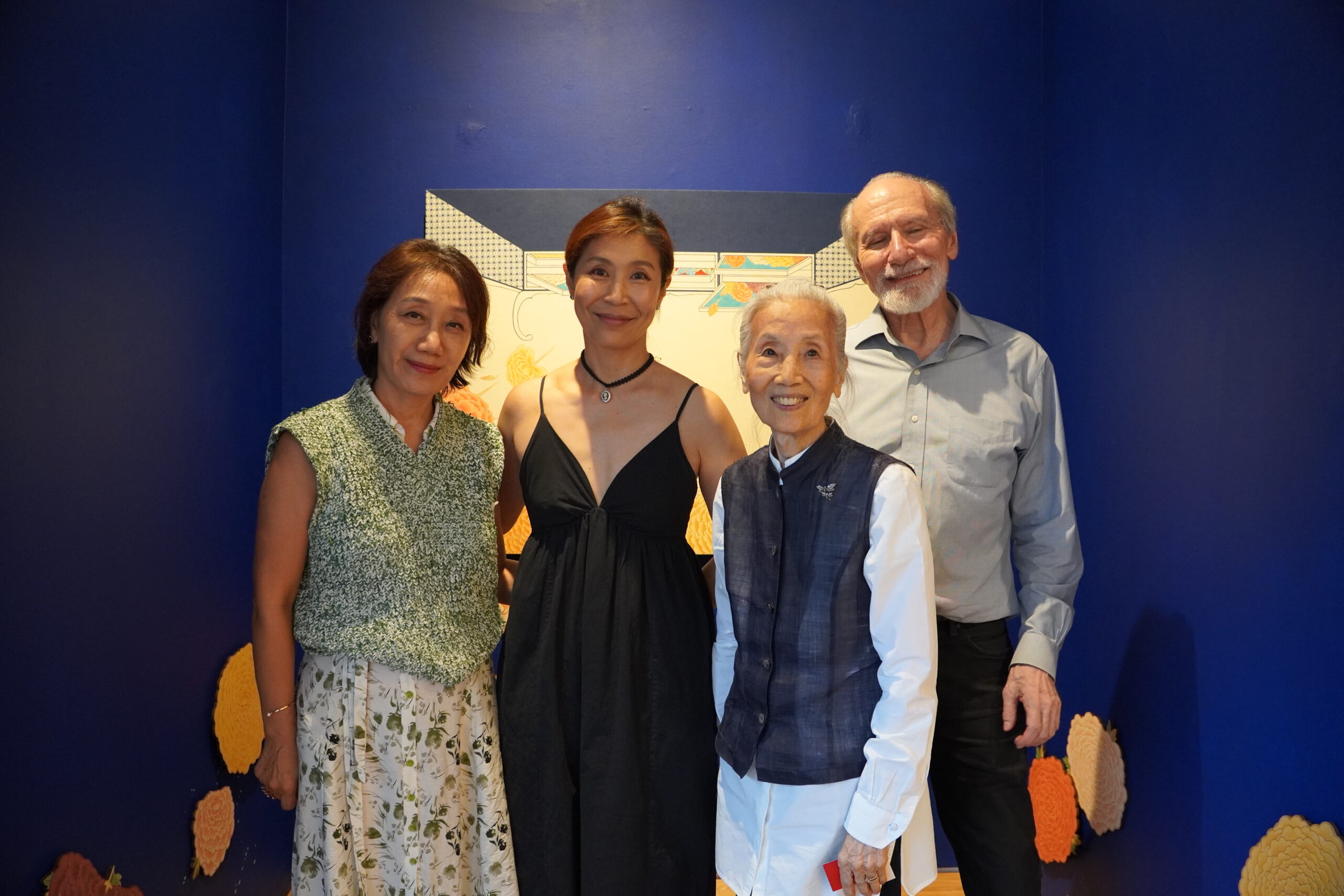
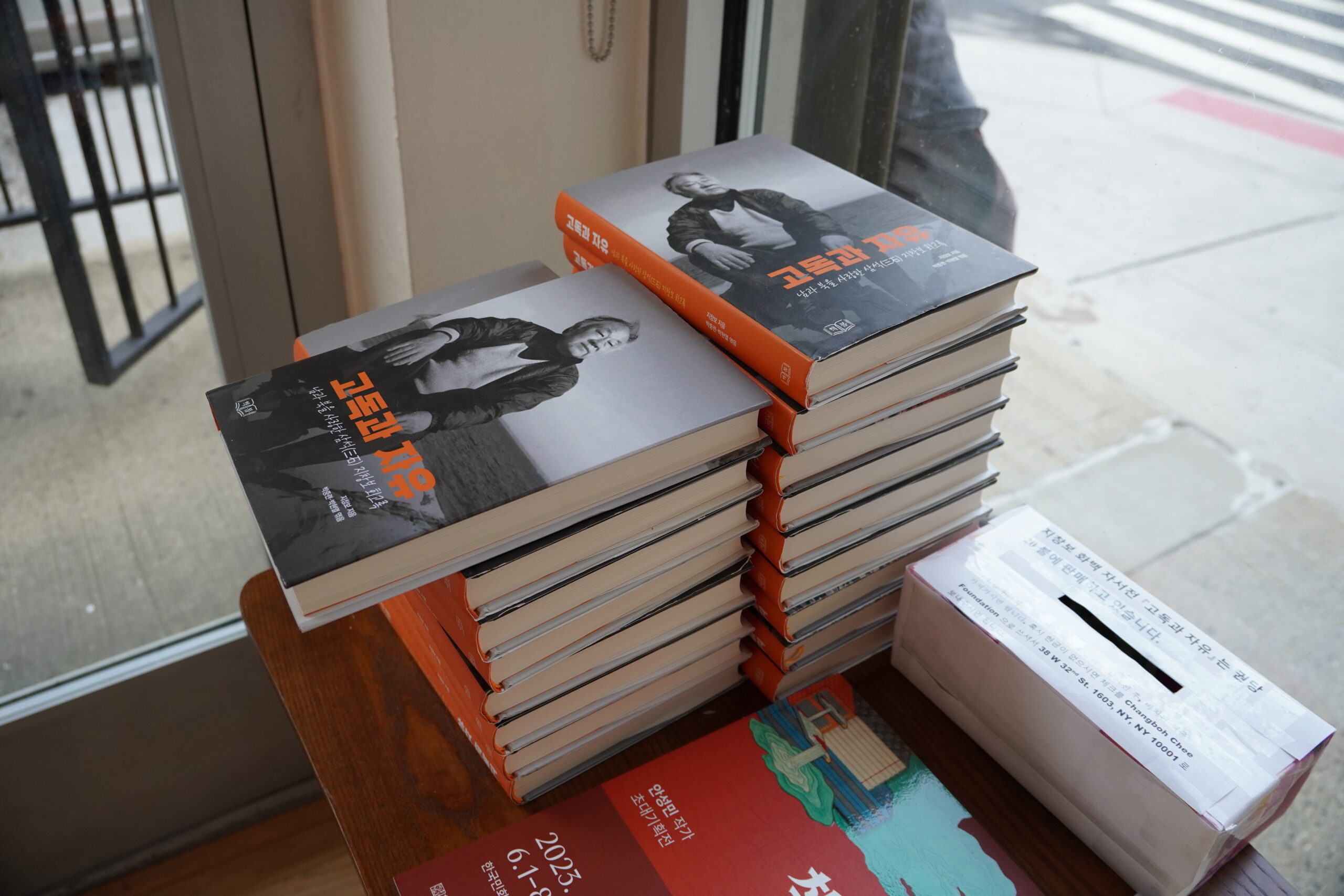
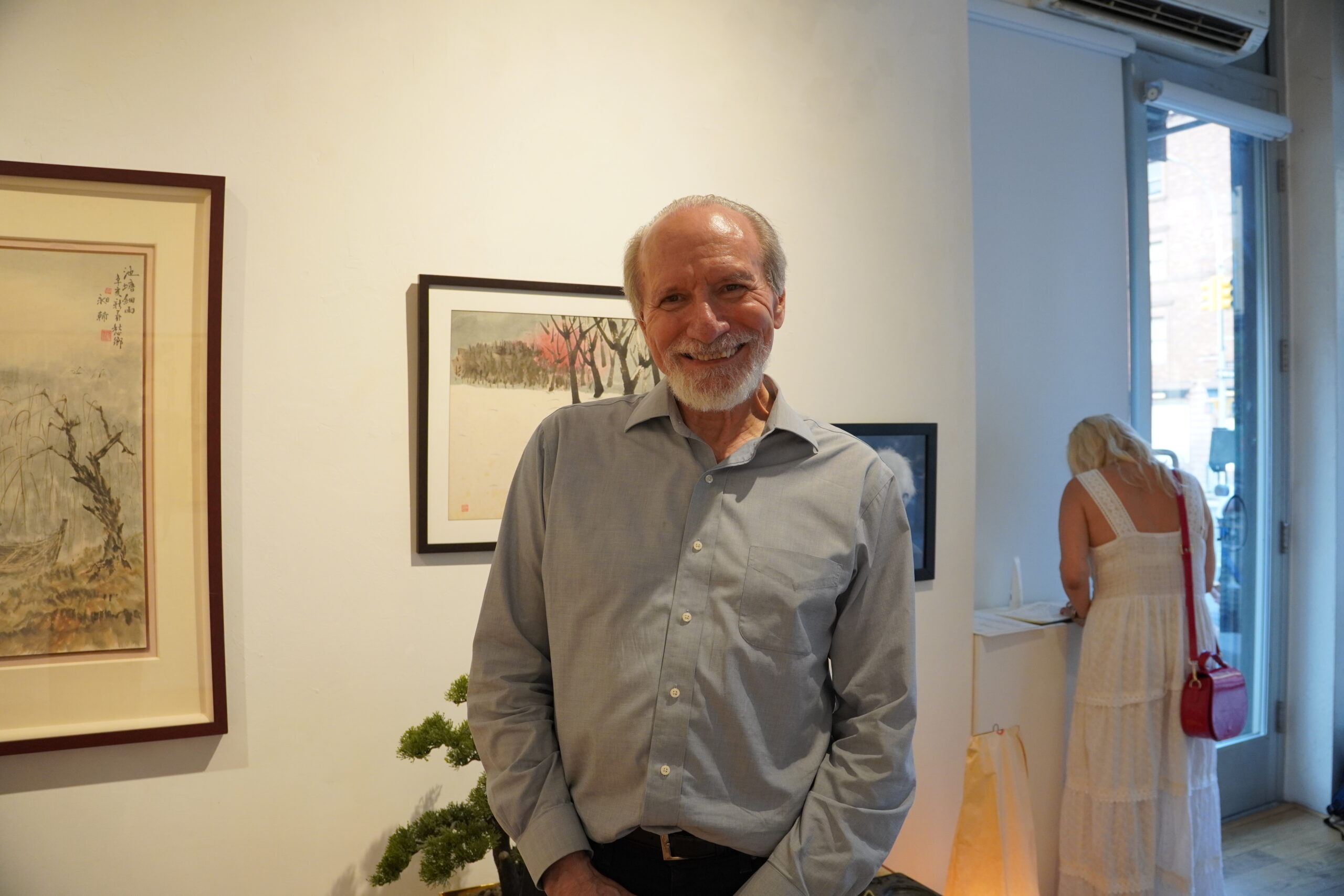
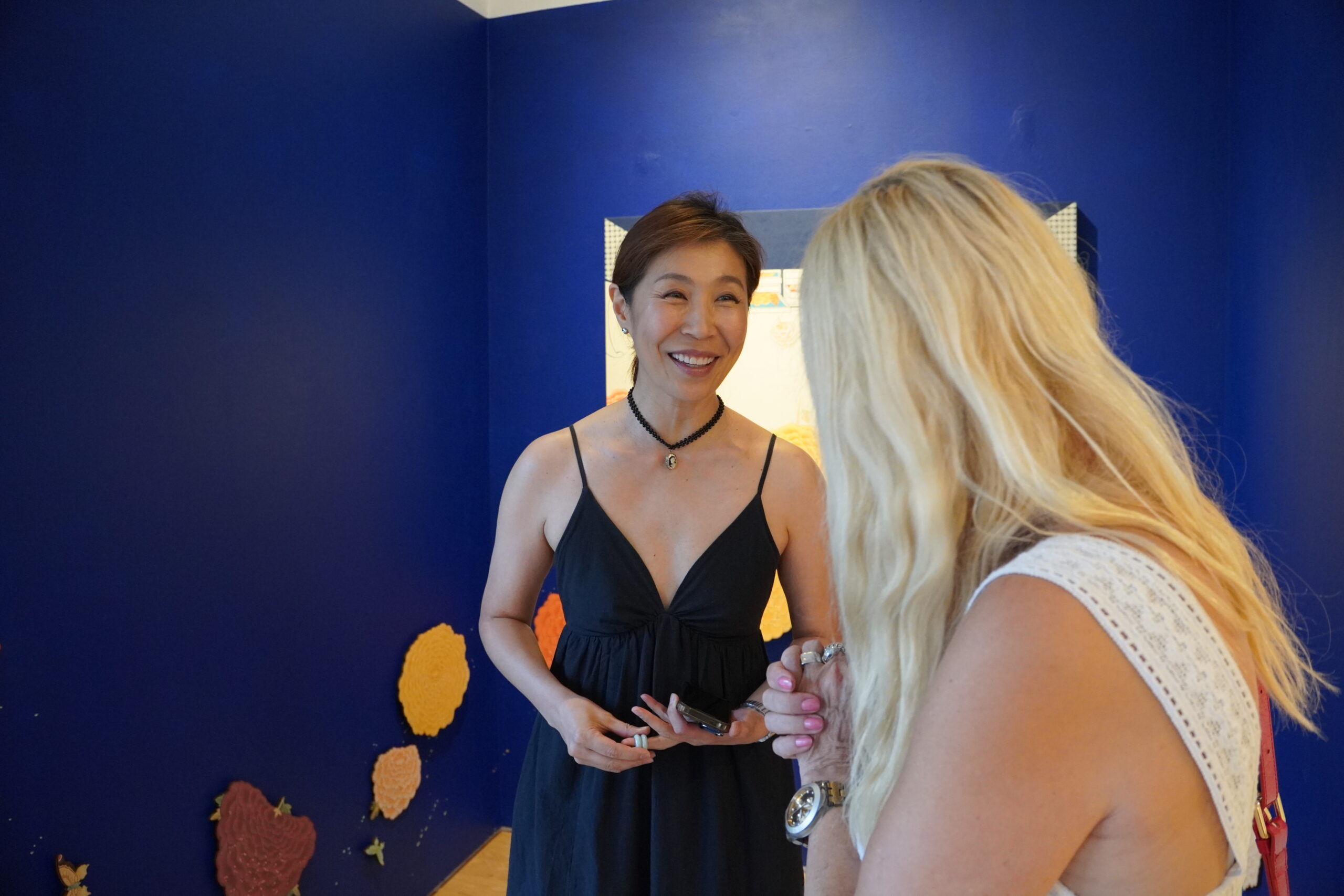
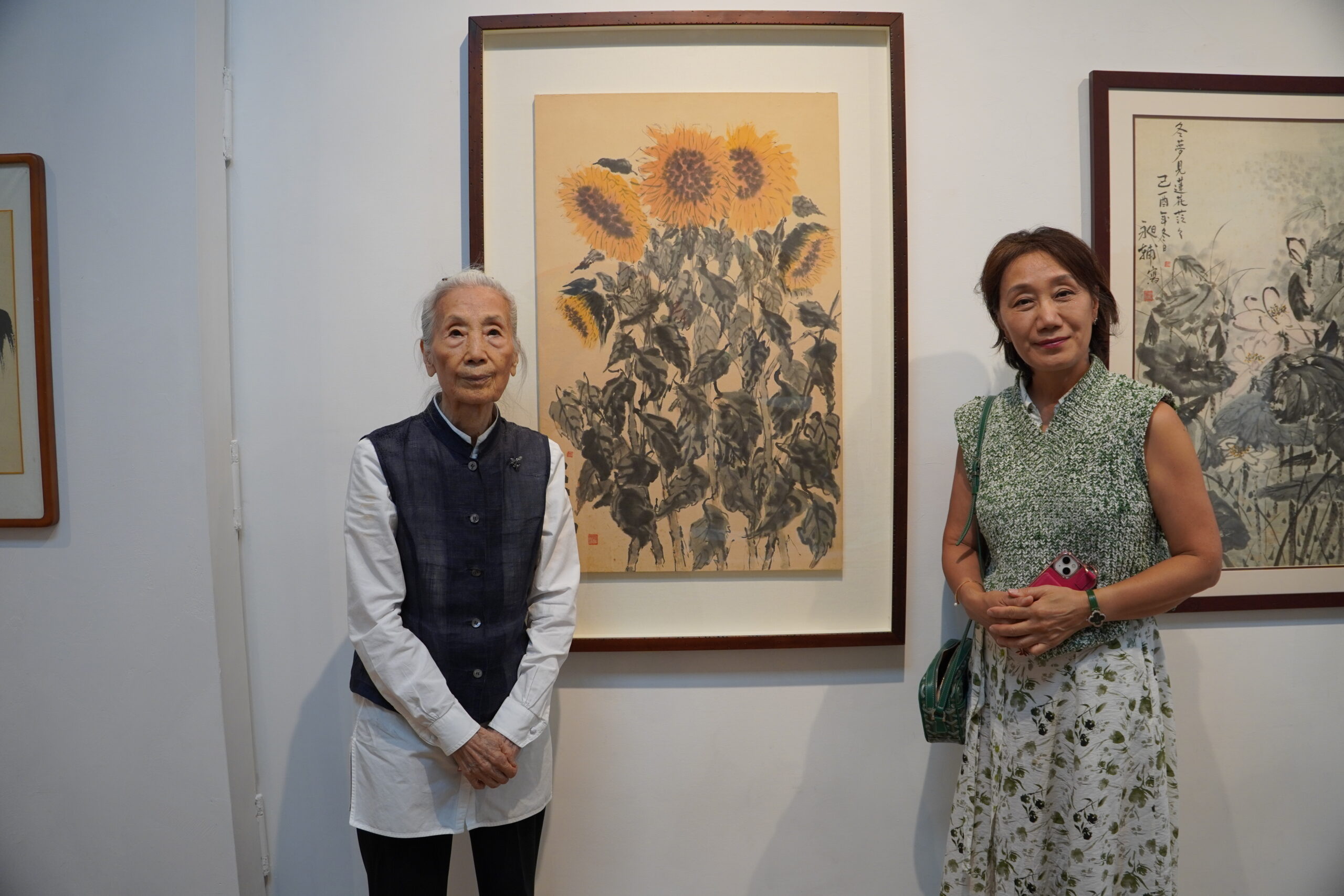
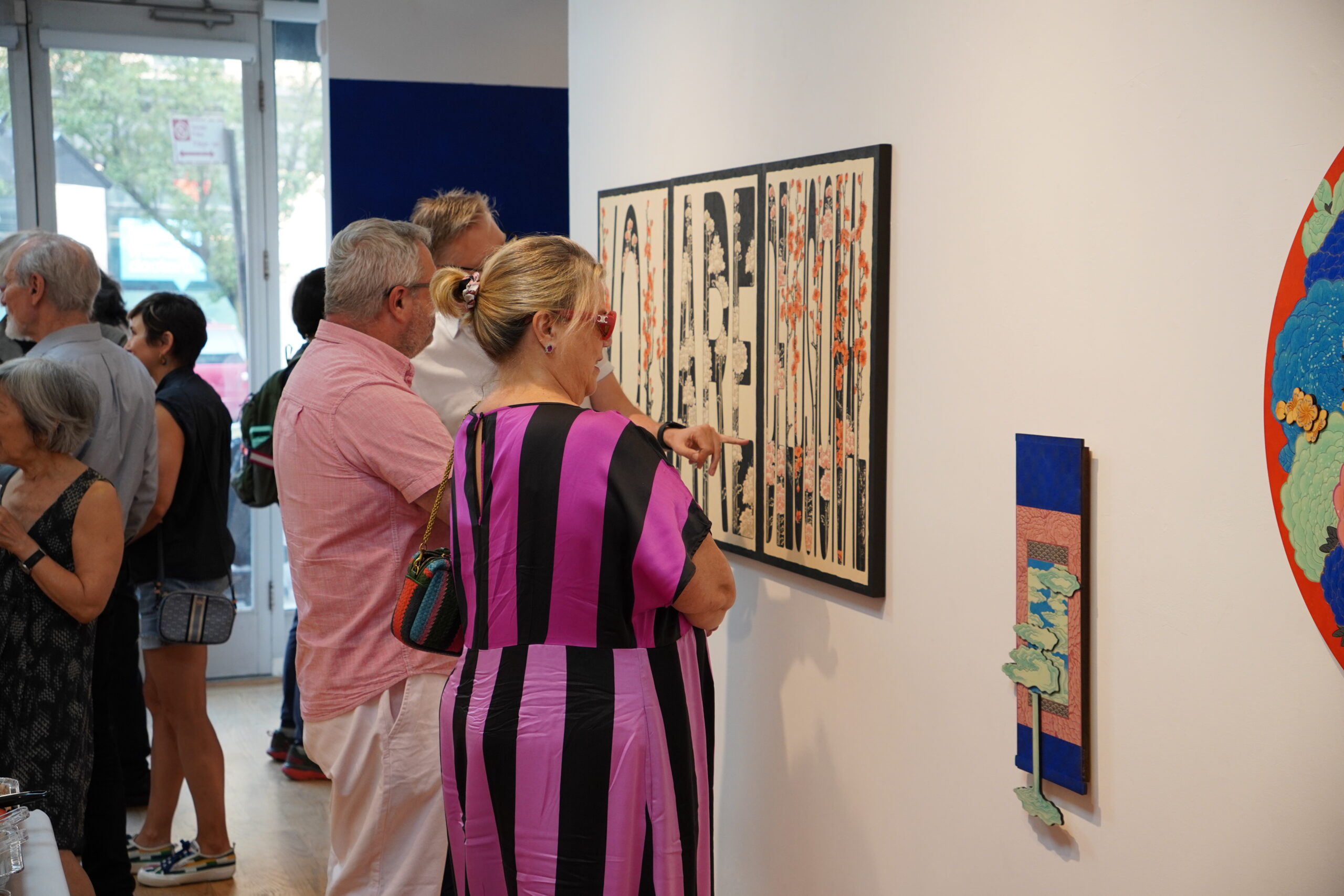
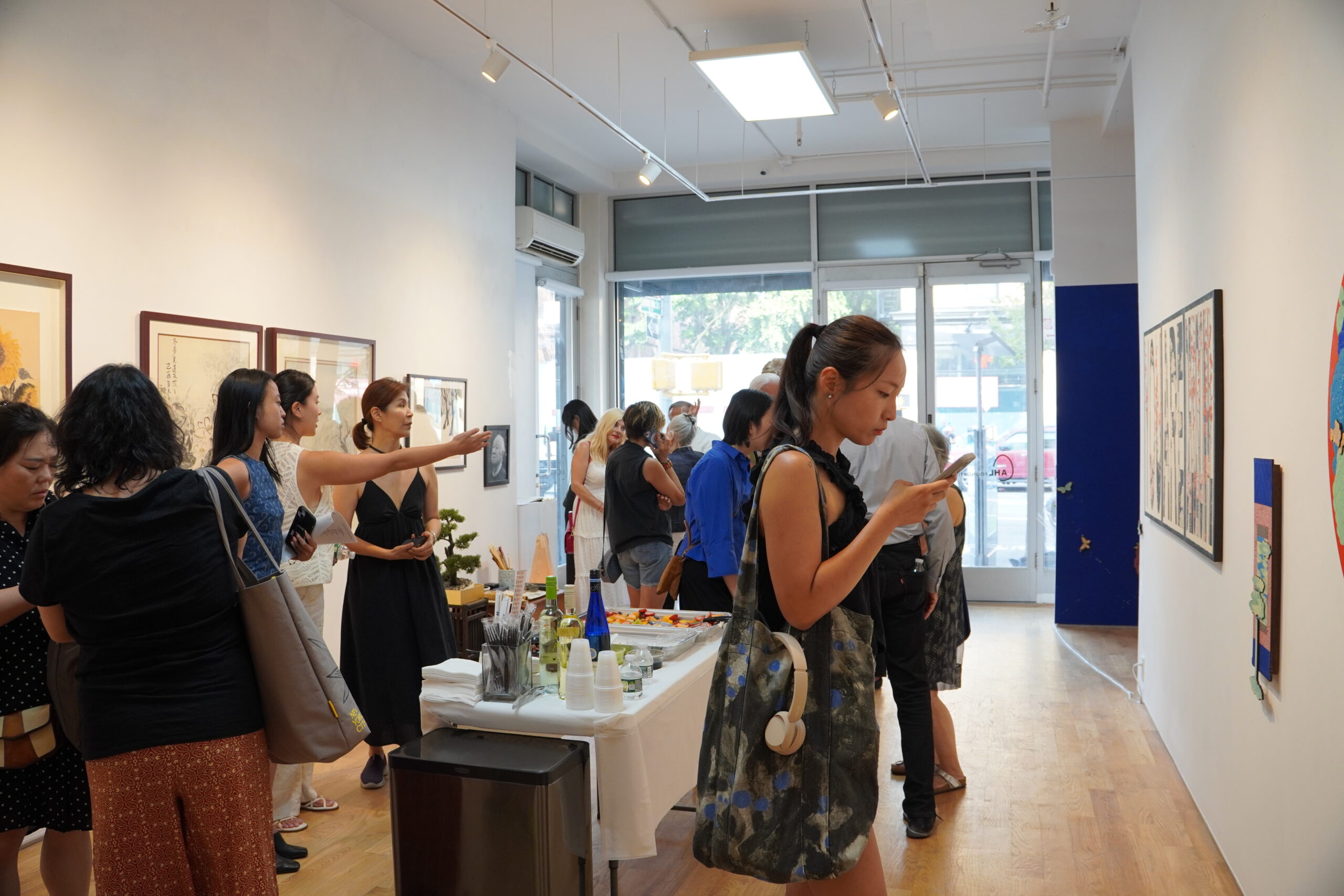
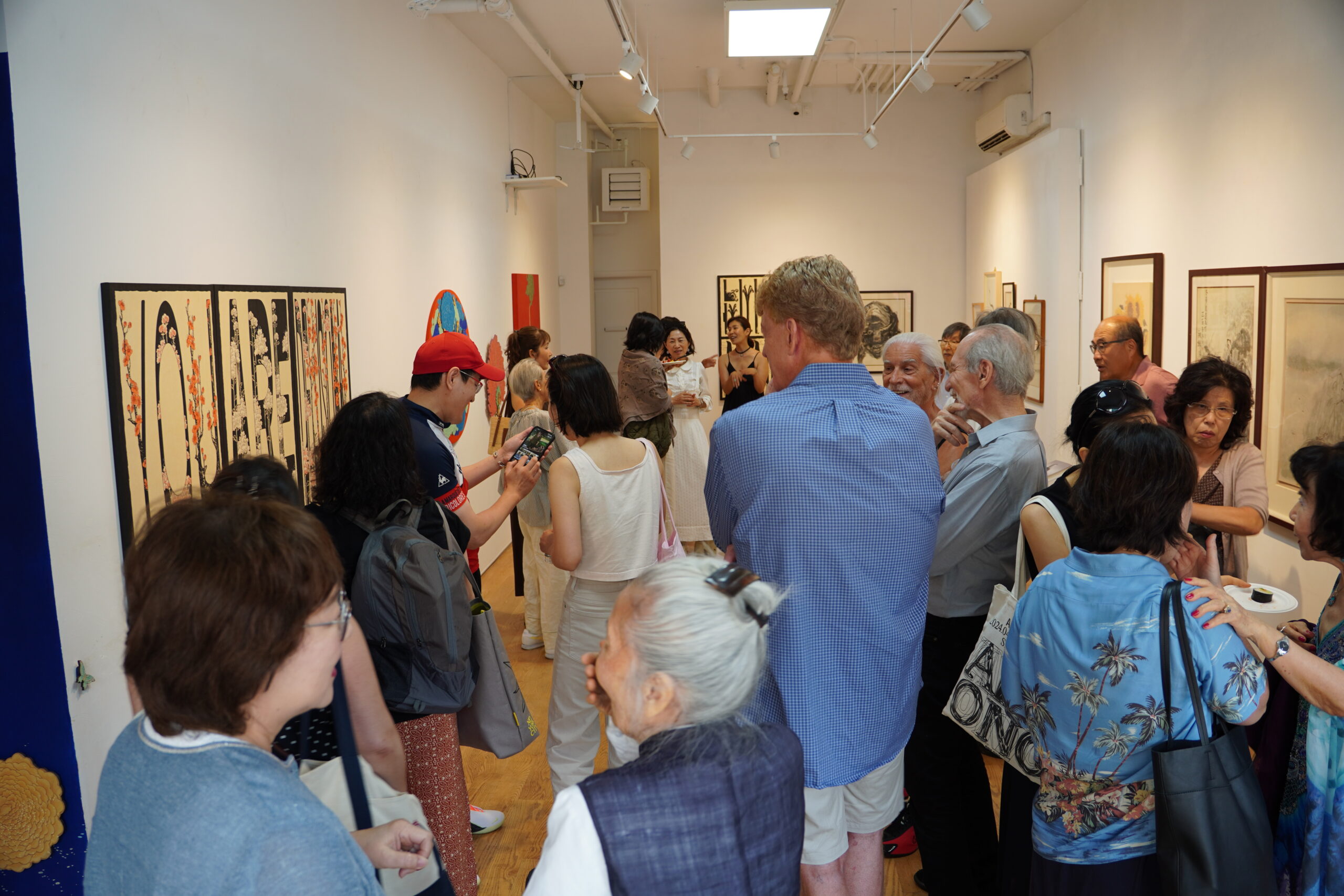
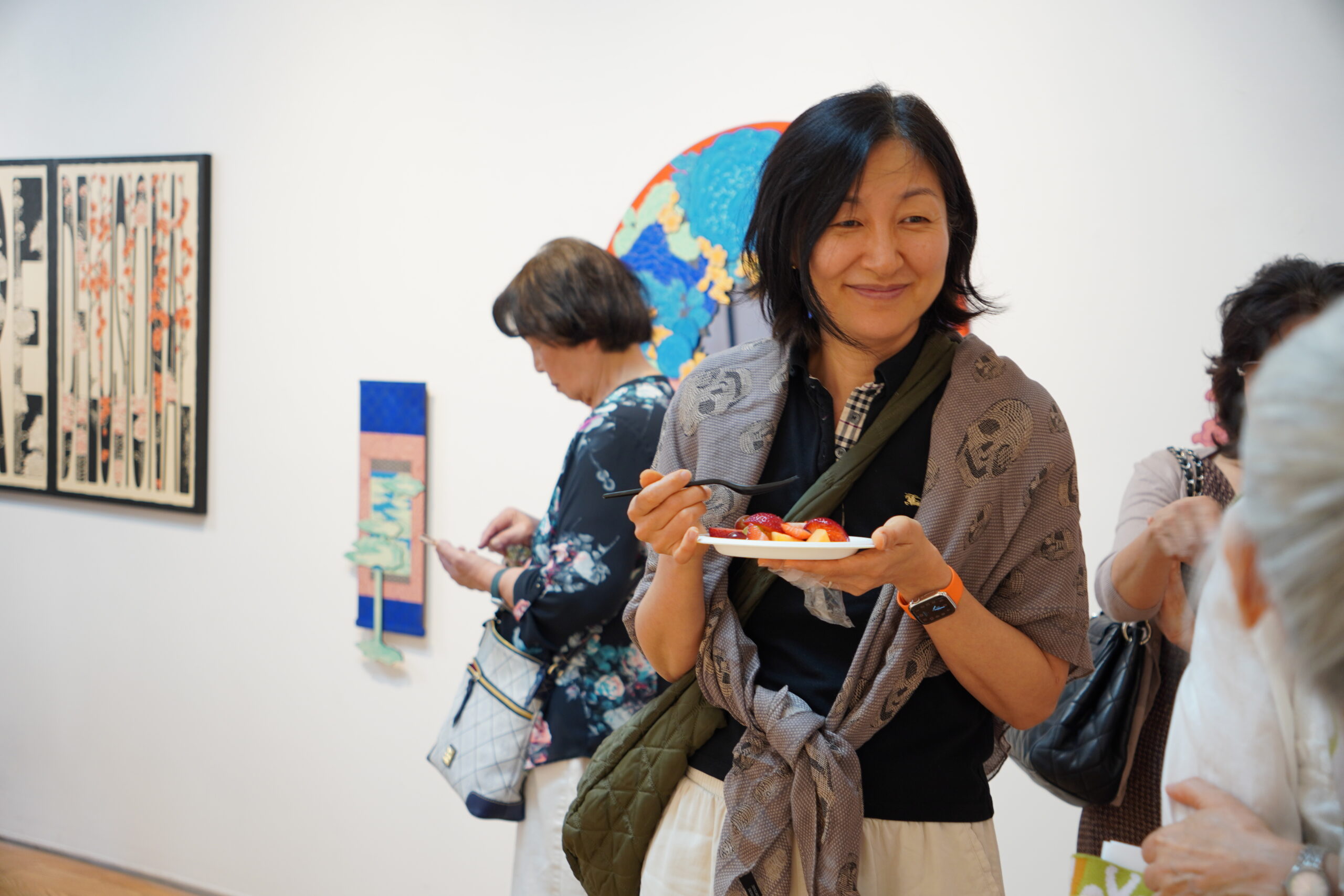
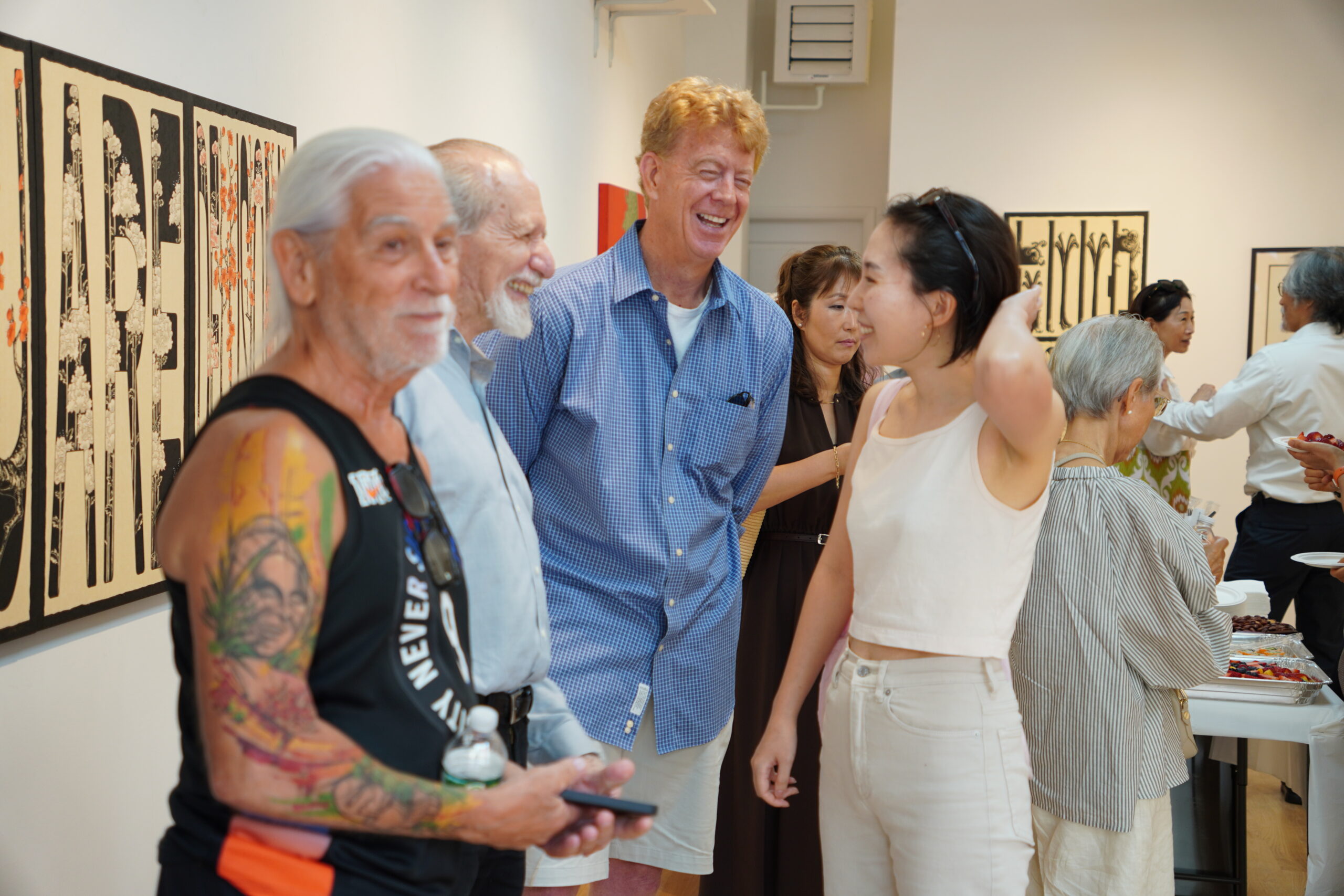
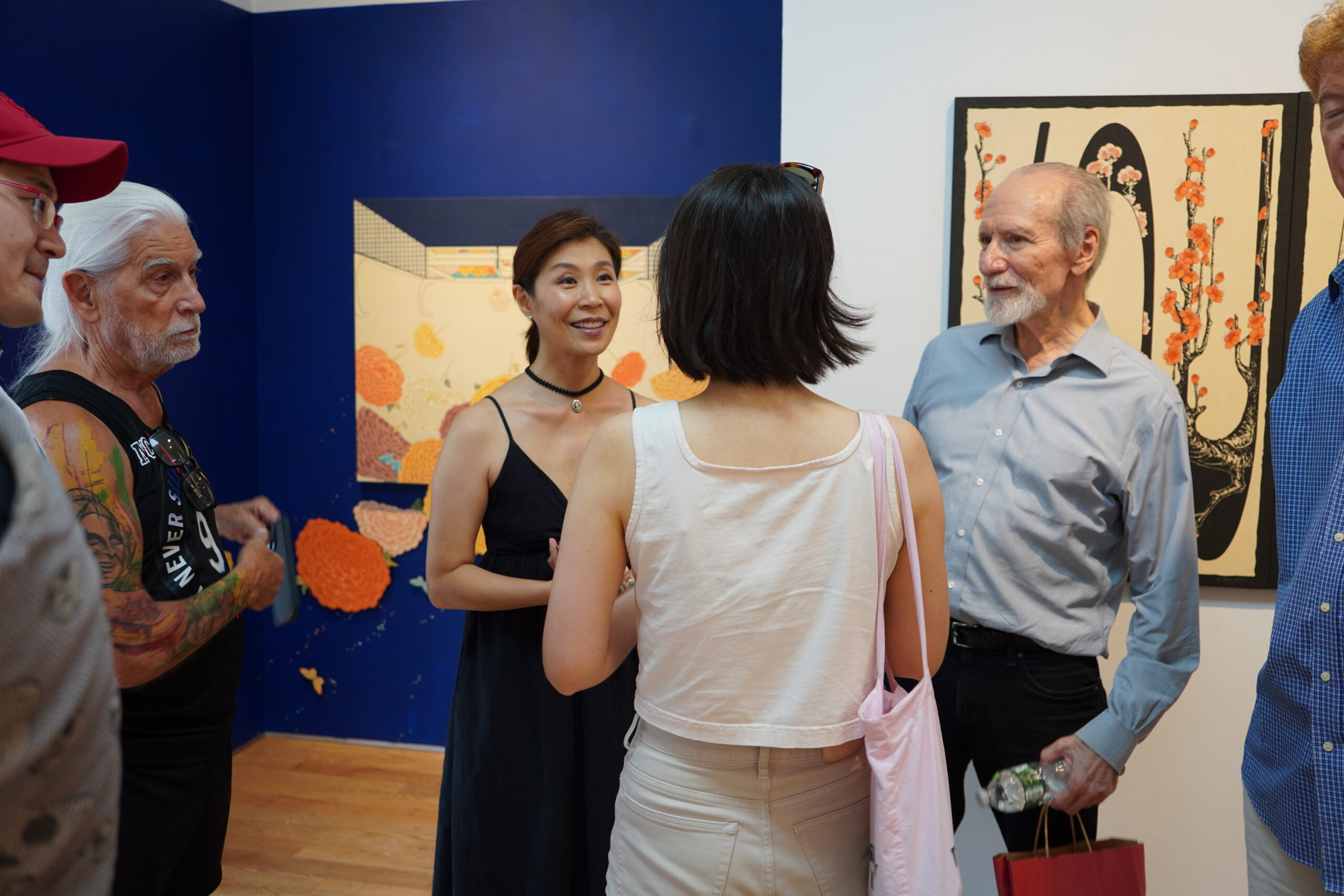
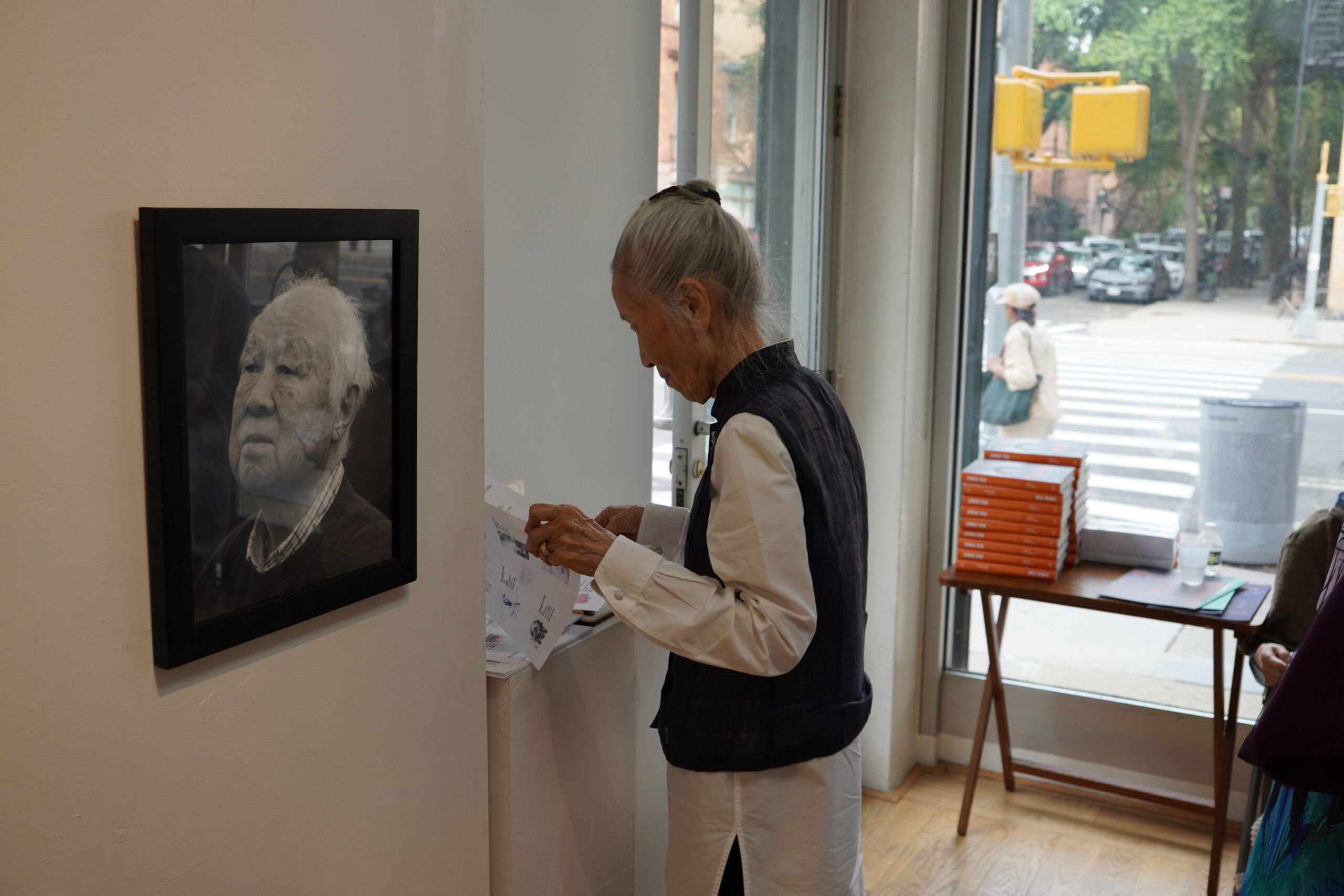
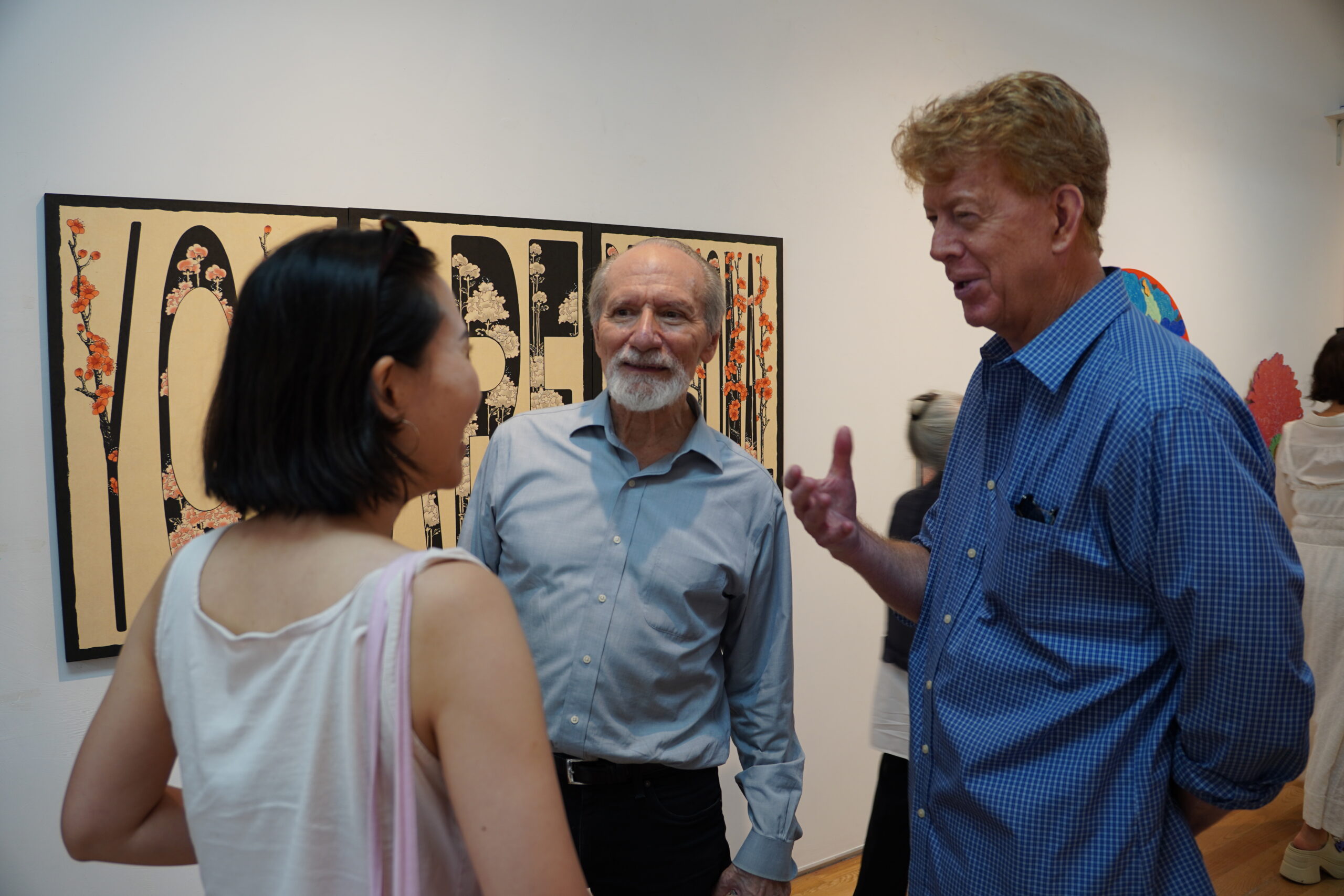
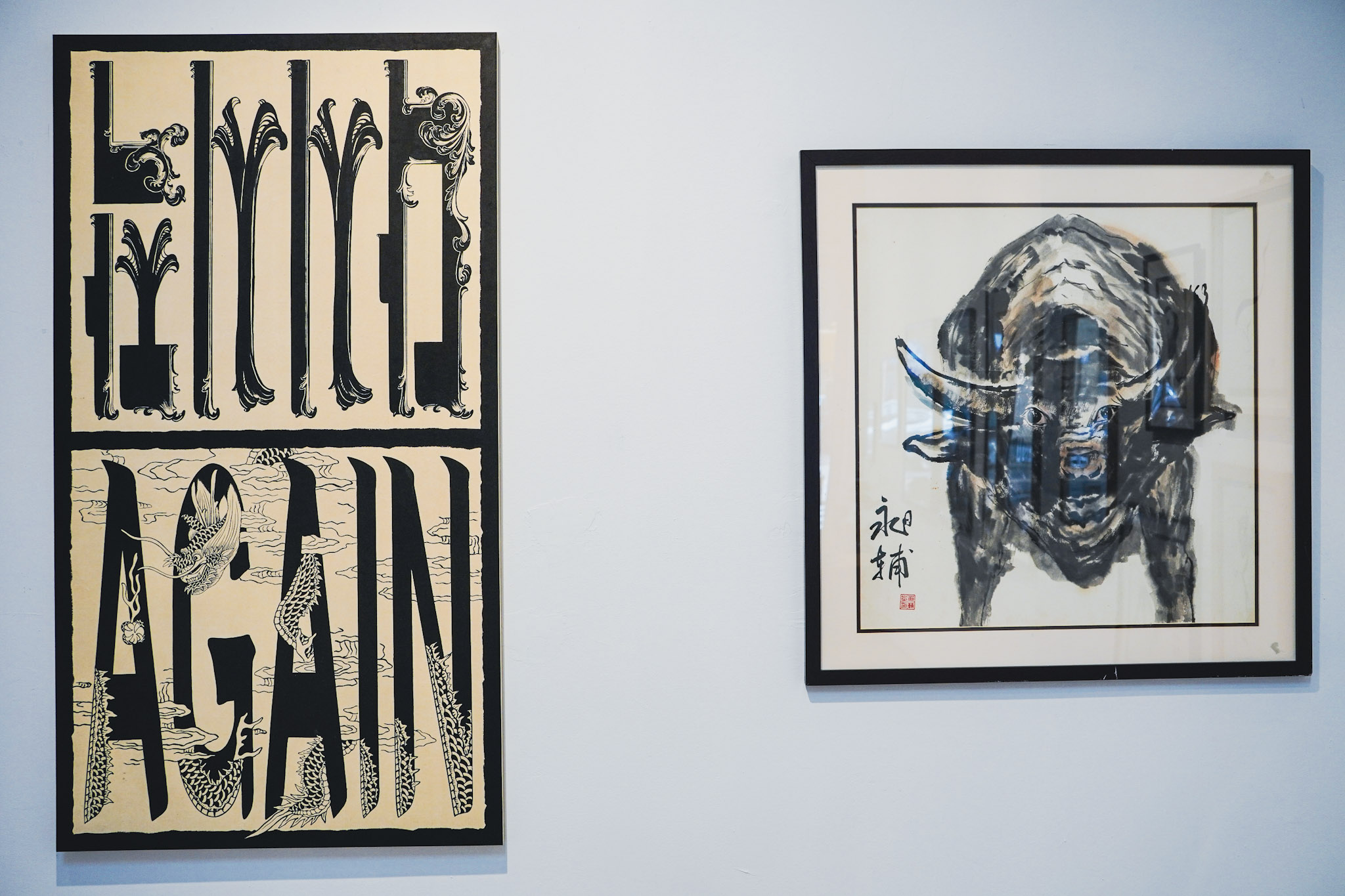
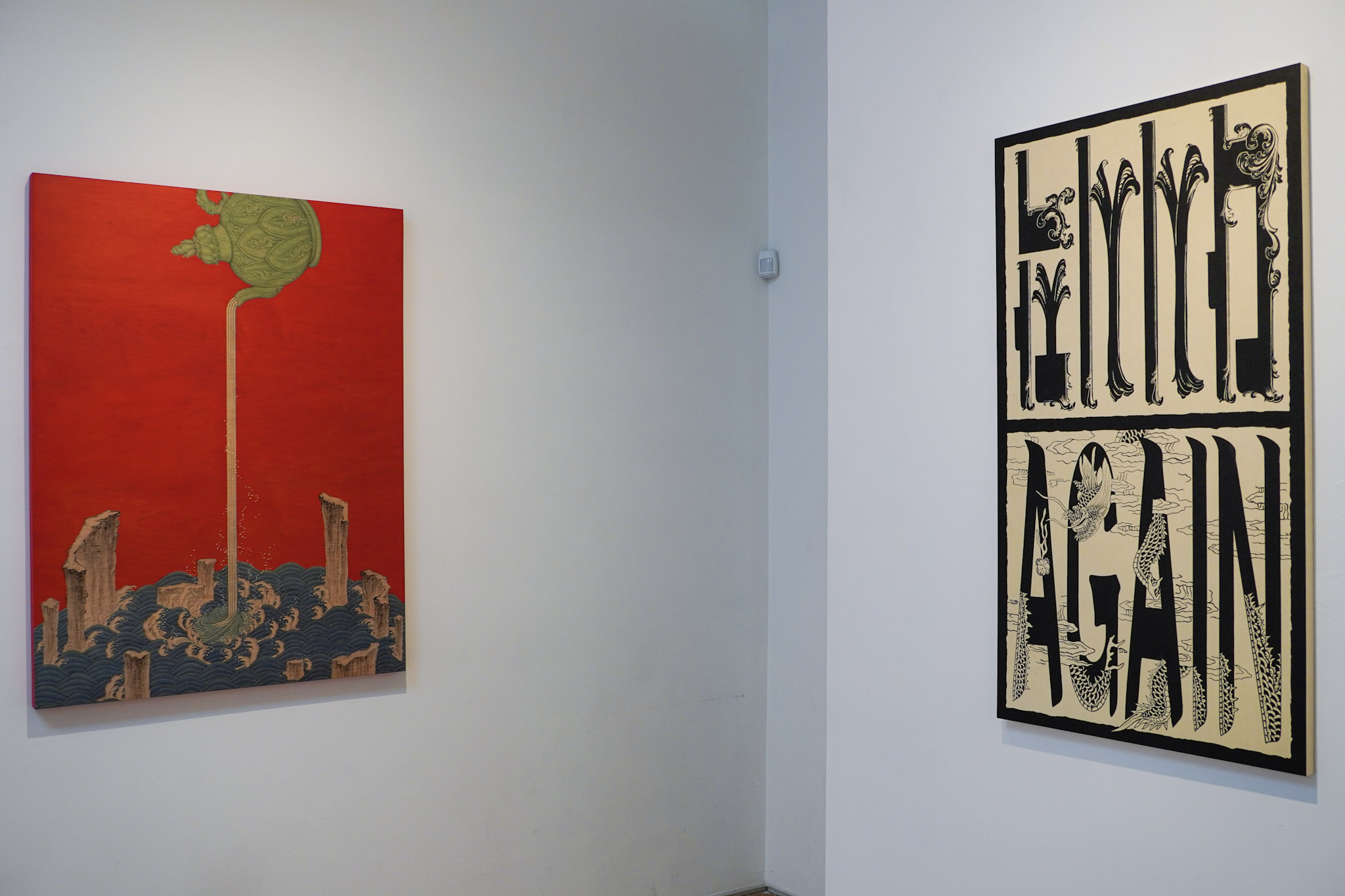
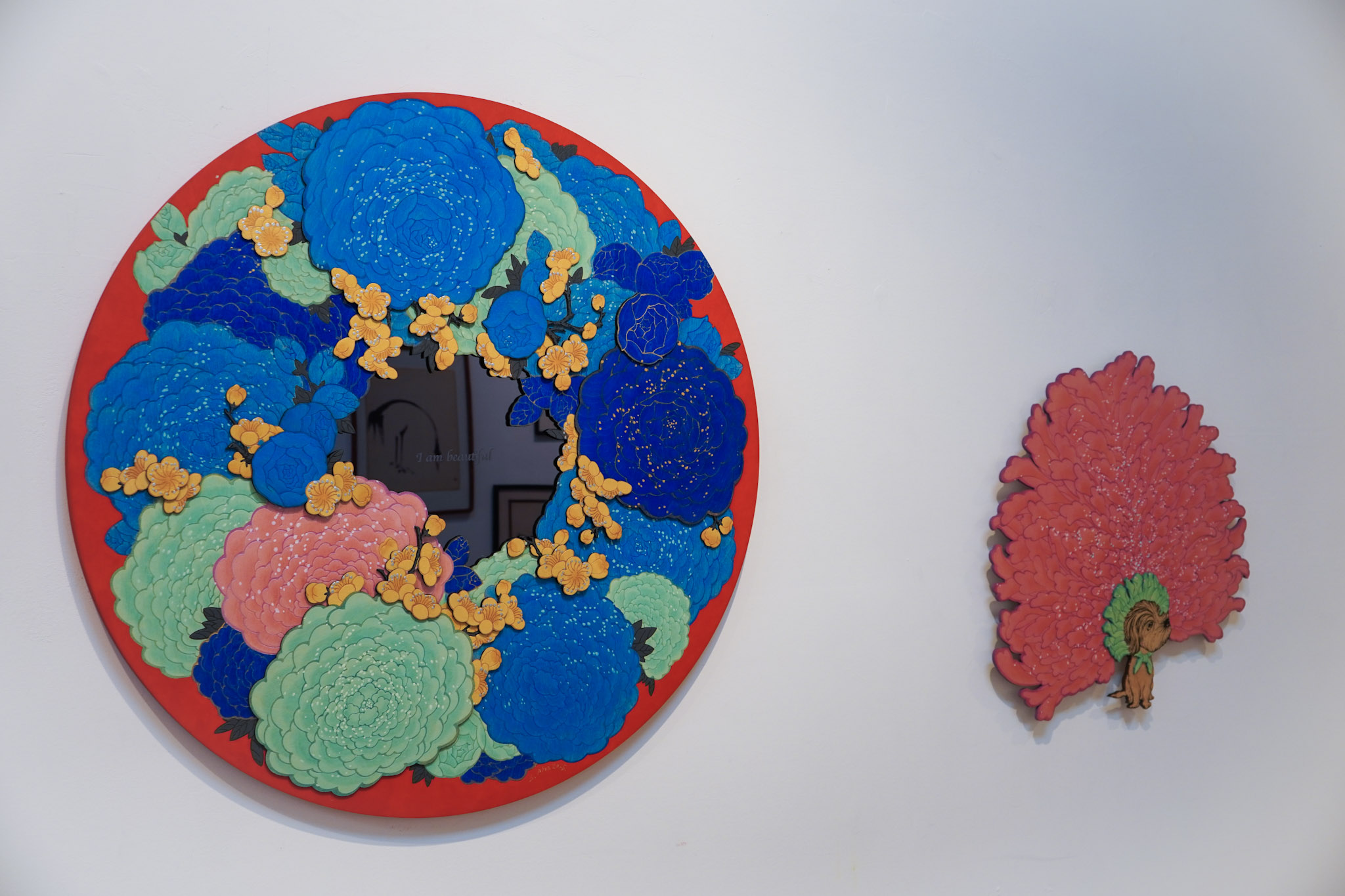
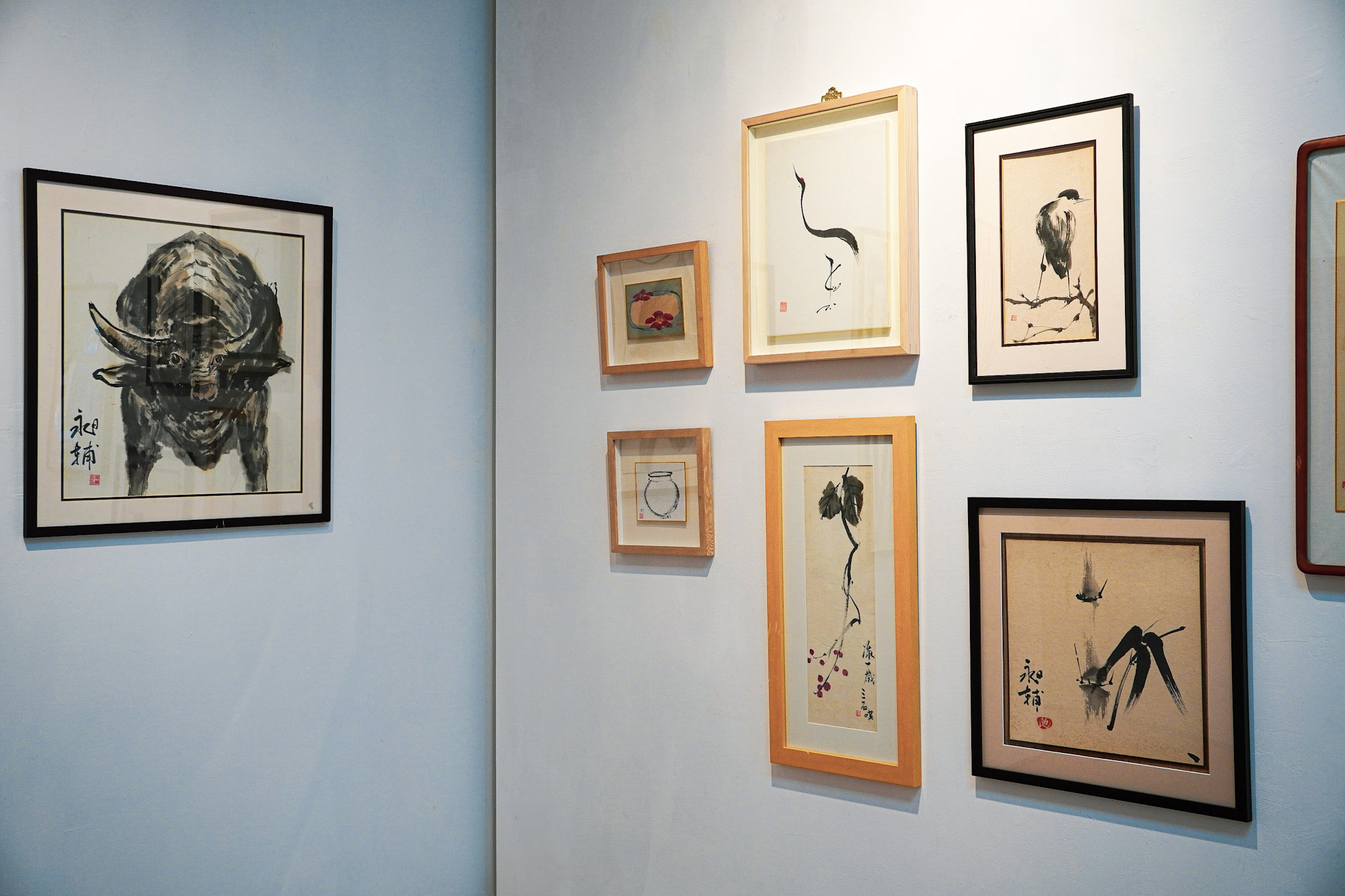
Two Uses of the Past
By Richard Vine
The past is never dead. It’s not even past.
—William Faulkner
Changboh Chee and Seongmin Ahn, the artists selected for this year’s AHL Mural on Display & Gallery Exhibition, represent two contrasting responses to the long Korean artistic heritage and the 20th-century incursion of Western influence. Chee, who died in 2023 at the age of 99, practiced pure traditionalism, replicating a venerable Asian ink-painting mode because he believed that the most fundamental human truths and most effective artistic principles were establish centuries ago and remain perfectly valid today. Ahn, a midcareer artist trained in both Korea and the US, takes a more eclectic approach, combining Eastern and Western mediums and visual strategies, and adapting traditional forms to contemporary concerns. Their dual show “Two Uses of the Past,” taking a cue from the 1918 essay “On Creating a Usable Past” by the literary critic Van Wyck Brookes, is structured as a visual dialogue between the two artists and their respective sensibilities.
Brookes, impelled by American turn-of-the-century dynamism, argued that a culture should never settle on a standardized, unchanging story of its own origins but should instead continually—and diversely—reinterpret its history.
Ahn embraces that notion with panache. While she often uses the traditional mediums of brushed ink and color on mulberry paper, she also unhesitatingly employs contemporary materials such as plywood, vinyl, laser-cut laminates, and computer-controlled ultraviolet light. Even when she proffers time-honored motifs—mountains, waterfalls, flowers—she does so with a comic twist: exaggerating the length of plant stems, placing rocky peaks inside ceramic bowls, depicting rivers that cascade from cabinet drawers, using peonies as oversized headdresses for tiny dogs.
Moreover, Ahn introduces everyday items that expand the ink-painting repertoire: elongated noodles dangling from chopsticks, floral bouquets larded with cookies and ice-cream cones, teapots spouting cloudy landscapes, bookcases whose reverse perspective denotes hyperspace, handguns morphing into vegetation, cell phones recording classic mountain ranges, and electrical sockets engulfed by Baroque-style decorative flourishes.
Ahn even transmutes fluid calligraphy—along with poetry and painting, one of the “three perfections” sought by ancient Korean literati—into stiff signage. Her festooned letters convey cryptic but hopeful messages (“Again,” “Rise Up”), offset by “ornamental curses” (“Fucking Idiot,” “You Are Delusional”) that have occasionally been addressed to the artist herself. Such memories add ironic poignancy to recent works in which candy-sweet flowers surround a smoky mirror inscribed with the words “You Are Beautiful.”
Ahn’s work—in which minhwa (the brightly colored Korean folk art depicting animals, flowers, and furnishings) meets Western surrealism, thus transmogrifying historic motifs with new materials and new themes—bespeak the cultural and psychological adaptability demanded by today’s globalized, shape-shifting life.
Chee, on the contrary, believed that the past is perfectly usable as is. By duplicating venerable motifs, by carrying them forward without alteration, he cast a revealing light on the importance of context and thus, paradoxically, on change itself.
Born in 1923, during the Japanese occupation, Chee was raised by his illiterate mother and coalminer father in a small village near Pyongyang. He won entrance to a Japanese university but was thereafter forcibly conscripted into the Japanese army. After WWII, buffeted by Korea’s political chaos and civil war, Chee was separated from his family in the North and made his way to the United States. In just six years, he earned a PhD from Duke University and began a career teaching sociology. No reclusive academic, Chee advocated unrelentingly—in Washington and Seoul, at the U.N., and elsewhere—for South Korean democracy and reunification with the North. Meanwhile, painting privately and actively patronizing of the arts, Chee befriended some of the most notable Korea practitioners of his time, including Kim Whan-ki, Kim Tschang-yeul, and Po Kim.
In his own art, a further confirmation of Korean identity, Chee used the most traditional means—brush and black ink with occasional touches of color—to render the most traditional motifs. His images bespeak a respect for the legacy of Korean scholar-artists and a deep conviction that human well-being is rooted in the cycles of nature.
Yet this dreamy lexicon (more poetic than that of programmatic court painters or other professional artists)—evokes a realm of symbols. Cranes (white, long-limbed, and graceful) bespeak longevity, purity, peace, harmony, and perpetual youth. Water lilies embody purity and enlightenment arising out of the muck of daily existence. Vessels, as emblems of artistic form itself, ferry substances between the quotidian and the spiritual. Sailboats recall livelihood, journeys, and adventures. Trees and bamboo represent integrity, uprightness, strength, resilience, endurance, virtue, nobility of character. Butterflies hint teasingly of romantic love. Deer suggest longevity, harmony, happiness, good fortune, enduring marital love, and filial piety. Flowers offer beauty, love, and renewal. Snow heralds new beginnings, a fresh start.
It is almost as if the viewer were adrift among Plato’s Ideas. All of these images, but especially those of cranes, Chee executed with admirable economy, evoking the entire form with a few efficient, living lines. Only his painting of a bull, viewed head-on, is denser, darker, more substantial. The beast—which incarnates strength, persistence, and a surprising gentleness of gaze—conveys a rare acknowledgement of effort and endurance. Some viewers have even read it as an emblem of the human capacity to bear injustice and adversity without losing heart.
Why, then, did a trained sociologist engage in the gentlemanly pursuit of muninhwa (literati painting), thereby excluding from his work any direct scrutiny of common social activity—to say nothing of war, politics, commerce, and power intrigues? And why does his nature painting contain no trace of what Tennyson called “nature red in tooth and claw”? (Some 66 percent of all animal species live by killing and eating other animals; the remainder devour plants and flowers.) Why would a man who had been through war, persecution, exile, and political struggle choose to create an art so completely devoid of sturm und drang?
The answer, implicit in the question itself, is confirmed by the artist’s memoir Solitude and Freedom. Finding peace and compassion in his own soul, qualities only deepened, not negated, by a lifetime of struggle, Chee opted to promulgate the dream of peace. His was an act not of naivete but of moral determination—the choice to celebrate the best even while fully knowing the worst. Such wisdom is often communicated through myths—fictions necessary for both social cohesion and personal sanity. Thus in the West we have myriad depictions of the lost Garden of Eden, along with future-oriented artworks like Edward Hicks’s Peaceable Kingdom paintings (1820-49), sweetly illustrating the prophecy in Isaiah 11:6: “The wolf also shall dwell with the lamb, and the leopard shall lie down with the kid; and the calf and the young lion and the fatling together; and a little child shall lead them.”
And then there is the paradox of emulation. A crane depicted in a Joseon dynasty manner for a Joseon dynasty audience is identical to, yet not at all the same as, a crane depicted in a Joseon dynasty manner for a 21st-century viewership. Cranes have not changed in the last 600 years, nor has the brushwork technique with which Chee rendered them. But we have changed—not human nature but human society and hence our mode of perception. We do not, we cannot, apprehend these images as our ancestors did. Whether that difference—between a temperament formed by an agrarian, socially hierarchical, formally religious, imperial state as opposed to an urban, post-industrial, putatively democratic, and functionally secular commonwealth—is a good thing or a bad is perhaps the most important question underlying this exhibition. The solution must lie in the way-of-being that each sensibility produces.
Hence the inherent value of the artistic matchup in “Two Uses of the Past.” Straight muninhwa vs. modernized minhwa; essentialism vs. relationality; preservation vs. adaptation; reverence vs. cheek. Neither one nor the other definitively prevails; the truth—like the aesthetic reward and the fun—lies in the timeless exchange.
Richard Vine, former managing editor of Art in America magazine, is the author of such books as Odd Nerdrum: Paintings, Sketches, and Drawings (2001) and New China, New Art (2008), as well as the artworld crime novel SoHo Sins (2016).
MURALS ON DISPLAY Featuring HUMANKIND ONE PLANET by Seongmin Ahn
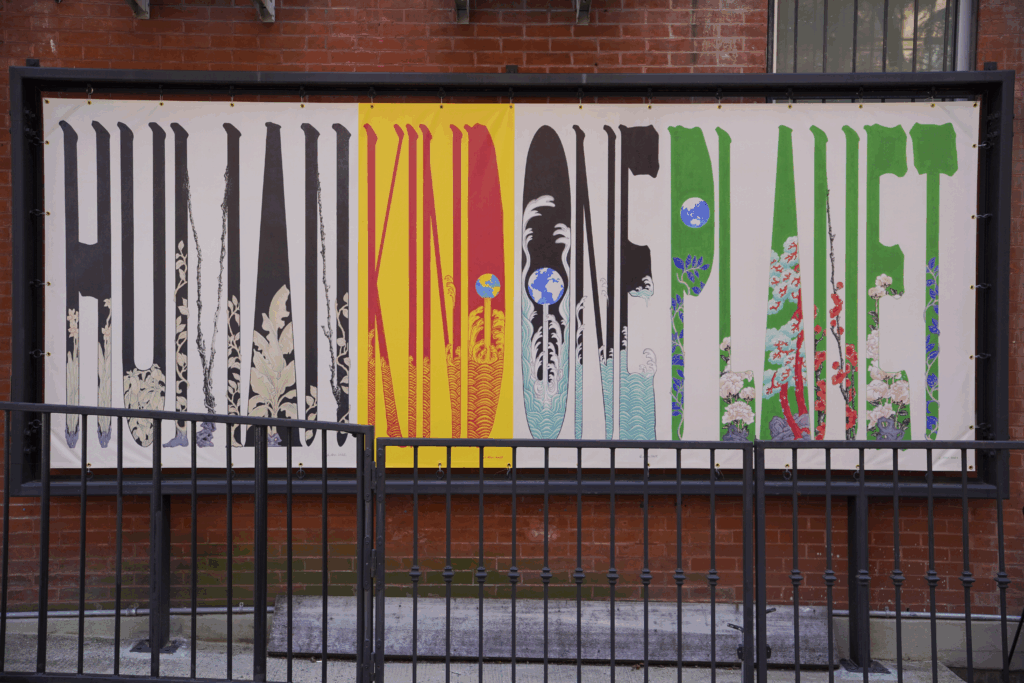
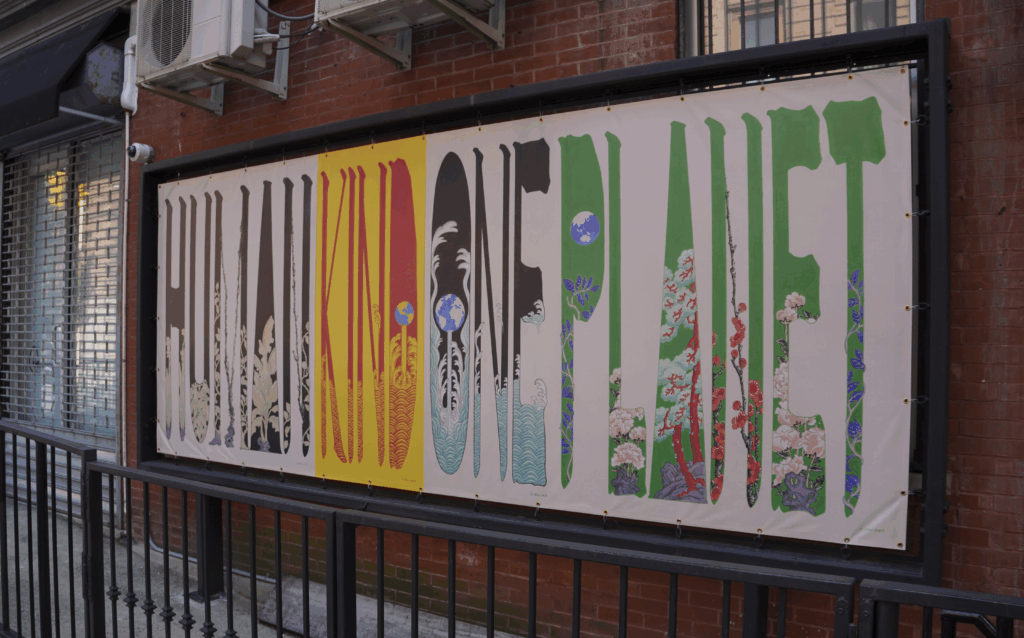
This mural began with the artist’s personal reflection and a sense of guilt—as a vulnerable human being complicit in a system driven by convenience and profit. Although she recognizes her own role in the environmental crisis, she believes it is vital to start conversations that awaken collective will and power for change. Inspired by 19th-century Minhwa, traditional Korean folk painting, Seongmin Ahn reimagined the English alphabet using Gungseo-che (궁서체), a classical Korean calligraphic style. Each letter is adorned with symbolic images of nature commonly found in Minhwa, rendered in her own distinct style. To ensure legibility, the upper half of each letter remains simple, while the lower half is richly decorative. HUMAN is painted in a monochromatic palette to evoke humility. KIND uses red letters on a yellow background, inspired by the Korean shamanic talisman bujuck (부적) —a wish for human kindness toward the planet. ONE is decorated with flowing water patterns, emphasizing our shared connection and dependence on water for survival. PLANET is rendered in saturated green to express vitality and life.
Artists: Changboh Chee and Seongmin Ahn
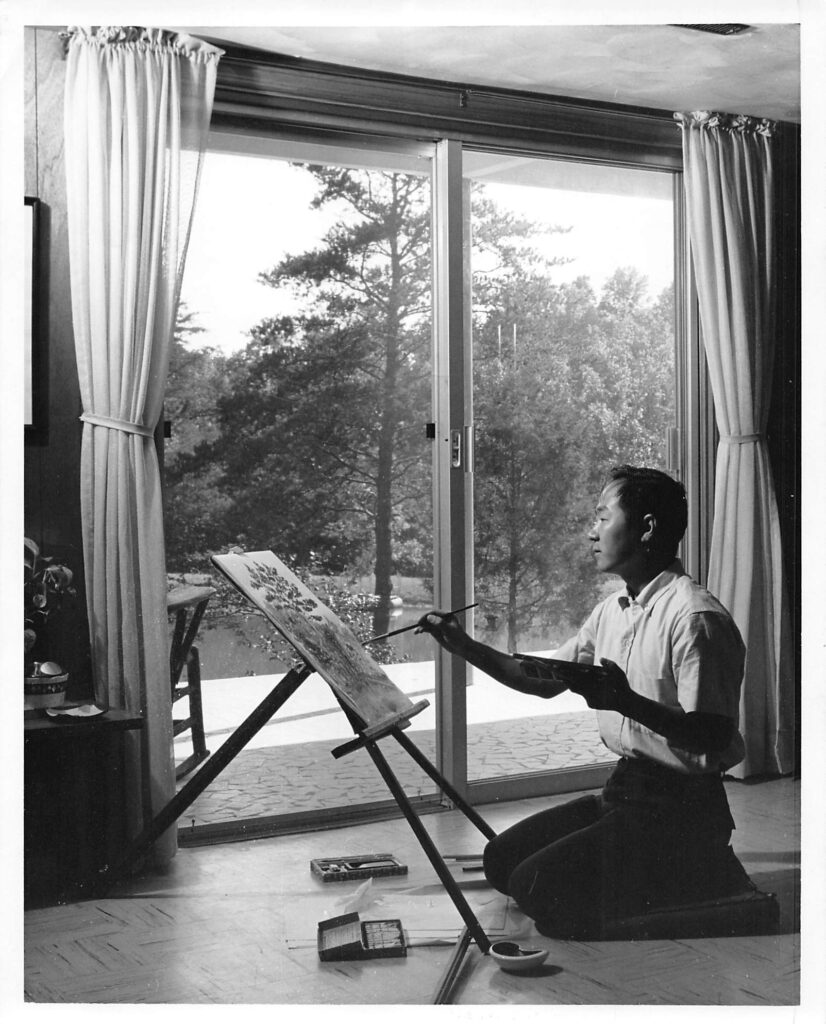
© Changboh Chee
Born during the Japanese occupation of Korea in 1923, Changboh Chee lived through war, exile, and political turmoil. After becoming separated from his family during the Korean War, he emigrated to the United States, where he earned his PhD in sociology from Duke University. From the 1960s, he taught at Long Island University while remaining a prominent advocate for South Korean democracy and reunification—delivering a petition with one million signatures to the UN Human Rights Commission in 1980 demanding the release of then-imprisoned dissident Kim Dae-jung. An intellectual and artist, Chee taught courses on East Asian art and Korean cinema in addition to sociology. From his late 30s, he also pursued Korean ink painting, forming friendships with prominent Korean artists such as Nam June Paik, Whanki Kim, Kim Tschang-yeul, and John Pai. His exhibitions in New York in the 1960s and 70s reflected his deep conviction that human well-being is rooted in the cycles of nature. His elegant brushwork and symbolic use of cranes, lotuses, boats, bamboo, and deer reveal a quiet moral resolve: despite living through injustice and war, he chose to depict peace, harmony, and compassion. His art was an act of hope.
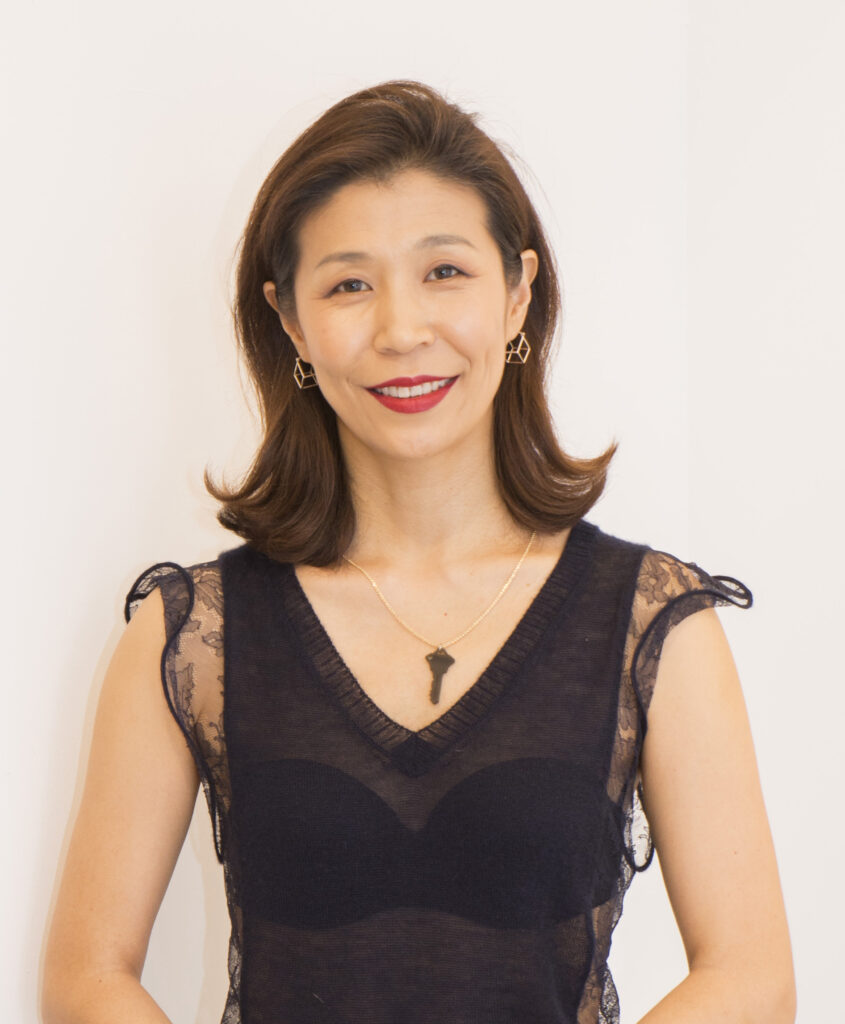
© Seongmin Ahn
Seongmin Ahn earned her BFA and MFA in Korean painting from Seoul National University and her MFA from Maryland Institute College of Art (MICA). Based in New York, Ahn has presented her work at major institutions including the National Museum of Modern and Contemporary Art (Seoul), the Jordan Schnitzer Museum of Art at the University of Oregon, the Charles B. Wang Center at Stony Brook University, and the Hello Museum (Seoul). Her work is in the collections of the National Museum of Modern and Contemporary Art, Princeton University Art Museum, Hudson River Museum, Hello Museum, and Johns Hopkins Hospital, among other institutions. Ahn has received awards from the Pollock-Krasner Foundation, the CUE Art Foundation, AHL Foundation, and Café Royal Cultural Foundation. She has taught at institutions including the Metropolitan Museum of Art, Queens Museum, Queens College CUNY, the Art Students League of New York, and SVA. Ahn reinterprets symbols from traditional Korean landscape painting and minhwa through a contemporary perspective infused with humor and critical insight. She employs not only ink and hanji but also contemporary materials such as vinyl, laser-cut panels, and UV lighting to explore the boundaries between tradition and modernity, the everyday and technology, and to reflect on the complexities of identity in a globalized era.
This exhibition was made possible through the generous support of the Changboh Chee Foundation.